
How to Remove Sunscreen Stains: The Ultimate 2026 Guide

Columbia Pike Laundry offers pickup & delivery across Northern Virginia.
You pull a summer shirt out of the closet, see a pale yellow mark near the collar, and immediately wonder what happened. No coffee spill. No food drop. No memory of anything dramatic. Just a stain that seems to have appeared on its own.
That's usually sunscreen.
For busy parents, this one feels especially unfair. You did the responsible thing. You protected your skin, got the kids out the door, made it through the day, and now your favorite shirt looks like it aged badly in storage. The good news is that you can often remove sunscreen stains if you treat them the right way and avoid a few very common mistakes.
The Mystery of the Yellow Summer Stain
A lot of sunscreen stains don't show up as obvious smears right away. They can look faint at first, then become more visible after washing, or only reveal themselves when you pull clothes back out for the next warm stretch.
White shirts tend to make the problem obvious, but it happens on plenty of everyday items. Linen button-downs, kids' camp shirts, sundresses, swimsuit cover-ups, and pillowcases all pick up transfer in the same way. Collar edges, shoulder straps, chest panels, and cuffs are the usual trouble spots because that's where sunscreen meets fabric over and over.
What catches people off guard is how random the stain seems. The shirt may have gone through a normal wash. It may even smell clean. But the yellow or orange cast lingers because this isn't always a simple greasy mark.
You're not dealing with a sign that the garment was poorly washed. You're dealing with a stain that behaves differently from food oil, makeup, or sweat.
That's why regular detergent alone often disappoints. You wash it once, then twice, and the mark still sits there. At that point, many individuals do one of two things. They scrub too hard, or they toss the item in the dryer and hope heat will somehow finish the job. Neither helps.
There's a calmer way to handle it.
The first step is recognizing that sunscreen stains fall into more than one category. Some leave an oily residue. Some leave powdery residue. And some create that stubborn yellow-orange discoloration that feels almost baked into the cloth. Once you know which type you're dealing with, the fix gets much more straightforward.
Understanding Your Opponent Sunscreen Stain Science
Not all sunscreen stains behave the same way. That's why one shirt washes clean and another comes out looking worse.

Mineral residue versus chemical discoloration
The easiest way to think about it is this. Some sunscreens sit on fabric like a visible film. Others change color after they've been there a while.
Mineral sunscreens tend to leave a chalky or powdery residue. You'll usually notice that more on dark clothes. The problem is often on the surface, so treatment is more about lifting residue and removing the oily binder underneath.
Chemical sunscreens can be trickier. One ingredient matters more than anything else here. Avobenzone, an oil-soluble UV filter in many sunscreens, reacts with minerals in water to form yellow-orange stains. That reaction makes the stain hard to remove with standard washing because the avobenzone complex prevents optical brighteners in detergents from doing their job, as explained by Christeyns' breakdown of sunscreen stains in laundries.
If that sounds overly technical, here's the practical version. Think of an oily sunscreen mark as mud on the sidewalk. Annoying, but removable. Think of an avobenzone stain as a color change in the sidewalk itself. You have to address more than the surface.
Why product choice matters
That's one reason two SPF products can stain very differently. Formula, finish, and active ingredients all change what ends up on the fabric. If you like understanding what's inside the bottle before it ends up on your shirt, this look at Biore UV Aqua Rich sunscreen is useful because it highlights how lightweight sunscreen textures vary.
The bigger takeaway is simple. Don't treat every sunscreen stain as plain grease. If the mark is yellow, orange, or rust-toned on a light fabric, you're likely dealing with more than oil.
For more practical advice for busy families on stains, it helps to think in categories first and cleaning products second.
Your At-Home Stain Removal Toolkit
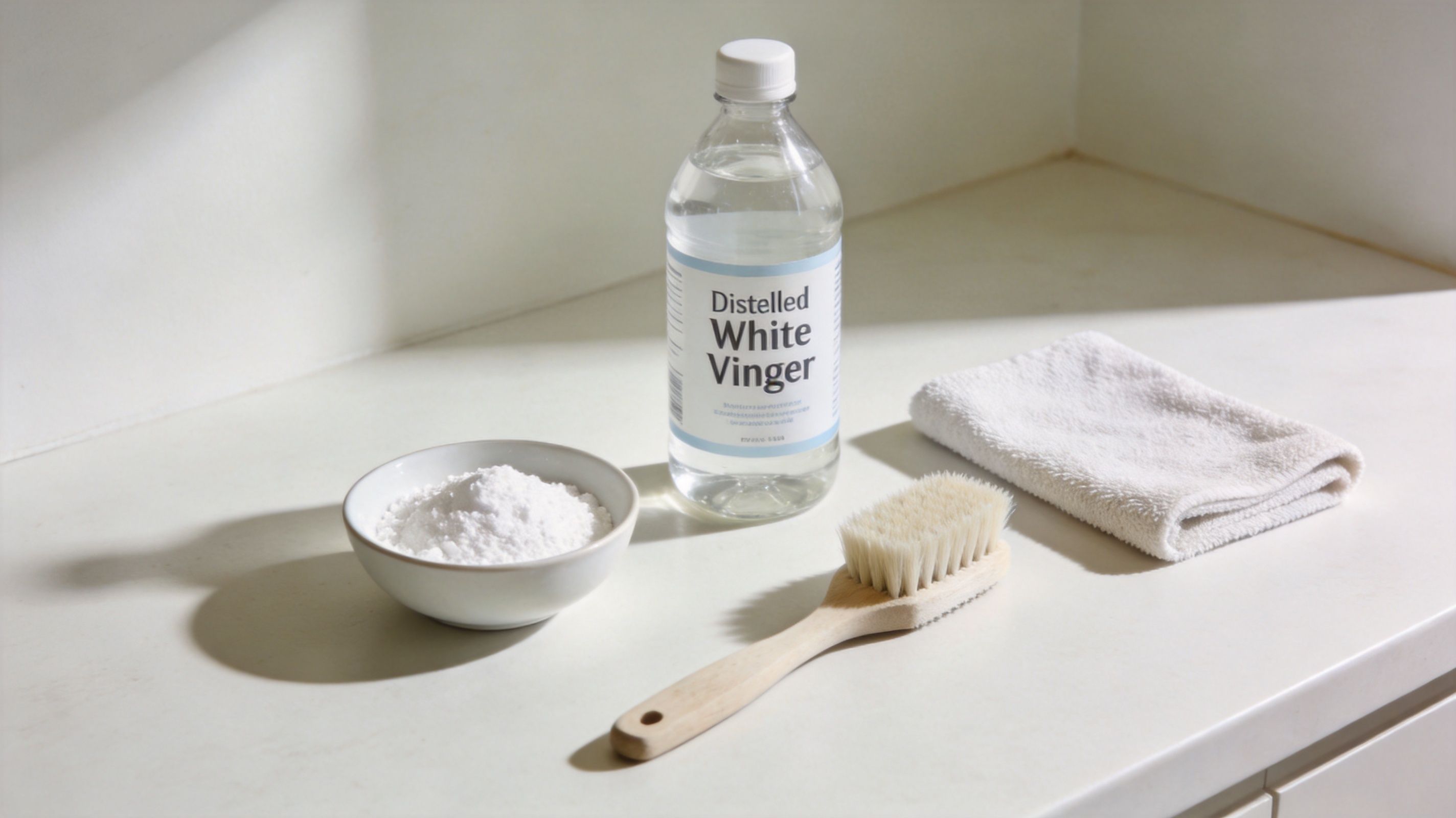
Most homes already have the basics needed to remove sunscreen stains. You don't need a cabinet full of specialty products to get started. You need a few items that do distinct jobs well.
From the kitchen pantry
Start here if you've just spotted the stain.
- Cornstarch or baking soda helps absorb fresh oily residue before it settles deeper into the fibers.
- White vinegar can help with yellow discoloration on suitable fabrics.
- Lemon juice is often useful on white cotton or linen when yellow marks need extra help.
- Dish soap is one of the most practical tools in the house because sunscreen's oily base responds well to grease-cutting agents.
From the laundry area
These are the items that make the process easier and gentler.
- Heavy-duty liquid laundry detergent works well for durable fabrics like cotton and denim when applied directly to the stain.
- Oxygen-based bleach is a better option for white fabrics than harsher shortcuts when you need added stain removal support.
- A soft-bristled brush helps work product into sturdy fabric without the abrasion of aggressive scrubbing.
- Clean white cloths let you blot without transferring dye from a colored towel.
- A basin or sink gives you more control for soaking or rinsing from the back of the stain.
Practical rule: Build your toolkit around functions, not hype. One absorber, one grease-cutter, one detergent, and one gentle brush will handle most home treatment jobs better than a shelf full of random stain sprays.
If you only have time to grab one item before school pickup or dinner, make it dish soap. For many fresh stains, that's the piece that starts breaking the problem down.
A Practical Guide to Removing Sunscreen Stains
Fabric choice is essential here. The same approach won't work equally well on linen, polyester, and silk.
Professional laundries use a sequential degreasing method. First, absorb excess oil with a powder like cornstarch or baking soda for 15-30 minutes, then apply a grease-cutting dish soap for 10-15 minutes before washing. This works best when stains are treated within 24 hours, according to Beautinow's guide to getting sunscreen out of clothes.
First response for any fabric
Before you sort by fabric type, do these things in order:
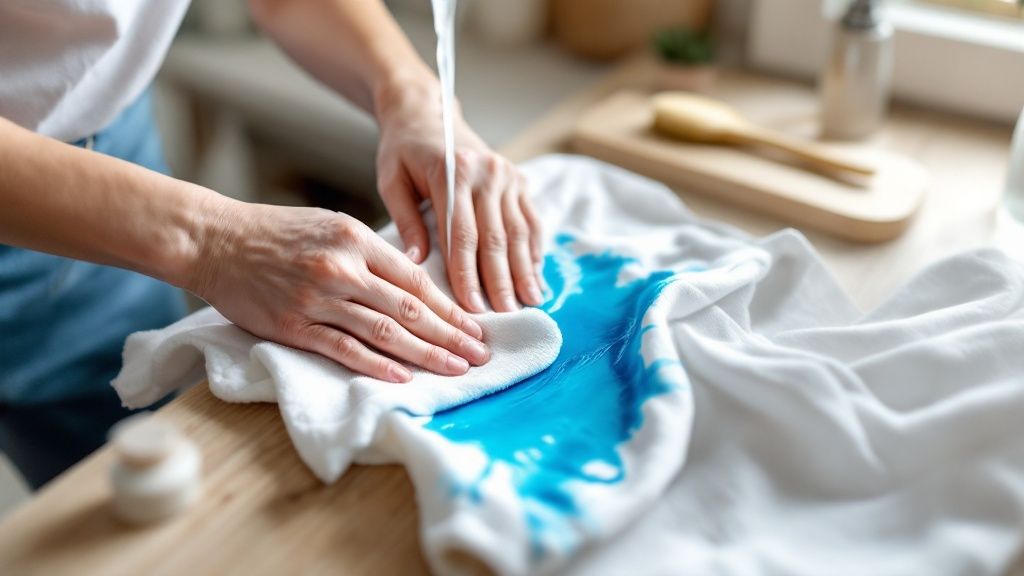
- Blot, don't rub. Rubbing pushes sunscreen deeper into the fibers.
- Rinse from the back with cool water. That helps push residue outward instead of driving it in.
- Pause before heat. If the stain is still there after washing, don't use the dryer.
That last point matters more than people think. Heat sets oil-based stains, and once that happens, your margin for error gets much smaller.
Sunscreen stain treatment by fabric type
| Fabric Type | Stain Type | Recommended Pre-Treatment |
|---|---|---|
| Cotton and linen | Oily sunscreen residue | Cornstarch or baking soda, then dish soap, then heavy-duty liquid detergent |
| Cotton and linen | Yellow sunscreen discoloration | Dish soap first, then white vinegar or lemon juice on suitable white items |
| Polyester and nylon | Oily transfer or residue | Cool rinse from the back, then dish soap with gentle handling |
| Silk and rayon | Fresh oily stain | Cornstarch first, then very gentle cleaning |
| Dry-clean-only fabrics | Any sunscreen stain | Avoid home experimentation and send for professional care |
Durable cottons and linens
These fabrics can usually handle the most active treatment.
Apply powder to absorb surface oil. Let it sit, then shake or brush it away. Work in dish soap next, wait, rinse with cool water, and apply heavy-duty liquid detergent directly to the stain. For sturdy fabrics, you can use a soft-bristled brush and give the detergent time to work before washing.
For white cotton or linen with yellow marks, lemon juice and water followed by sun exposure can help break down the stain. That's a useful option when the discoloration has more color than grease to it.
Everyday synthetics
Polyester, nylon, and similar fabrics can hold onto oily residue in a frustrating way. They also don't always respond well to rough handling.
Use a cool rinse from the back, then a small amount of dish soap. Work gently with your fingers rather than scrubbing hard. Wash according to the care label and air-dry first so you can check the result.
Delicates
Silk, rayon, and anything fragile need restraint.
If the stain is fresh, start with cornstarch to absorb oil. After that, use the mildest possible cleaning method. Don't scrub, don't twist, and don't chase the stain with heat. If the care label says dry clean only, stop there.
If you want a broader reference point for other stubborn marks too, Columbia Pike Laundry's stain guide covers the logic behind treating fabrics differently.
If a stain survives the wash, repeat treatment before drying. A second careful attempt is much safer than one aggressive attempt.
An Ounce of Prevention Smart Sunscreen Habits
The fastest way to remove sunscreen stains is to prevent them from landing on your favorite clothes in the first place. That sounds obvious, but it is common for families to lack practical prevention advice that fits into busy mornings.
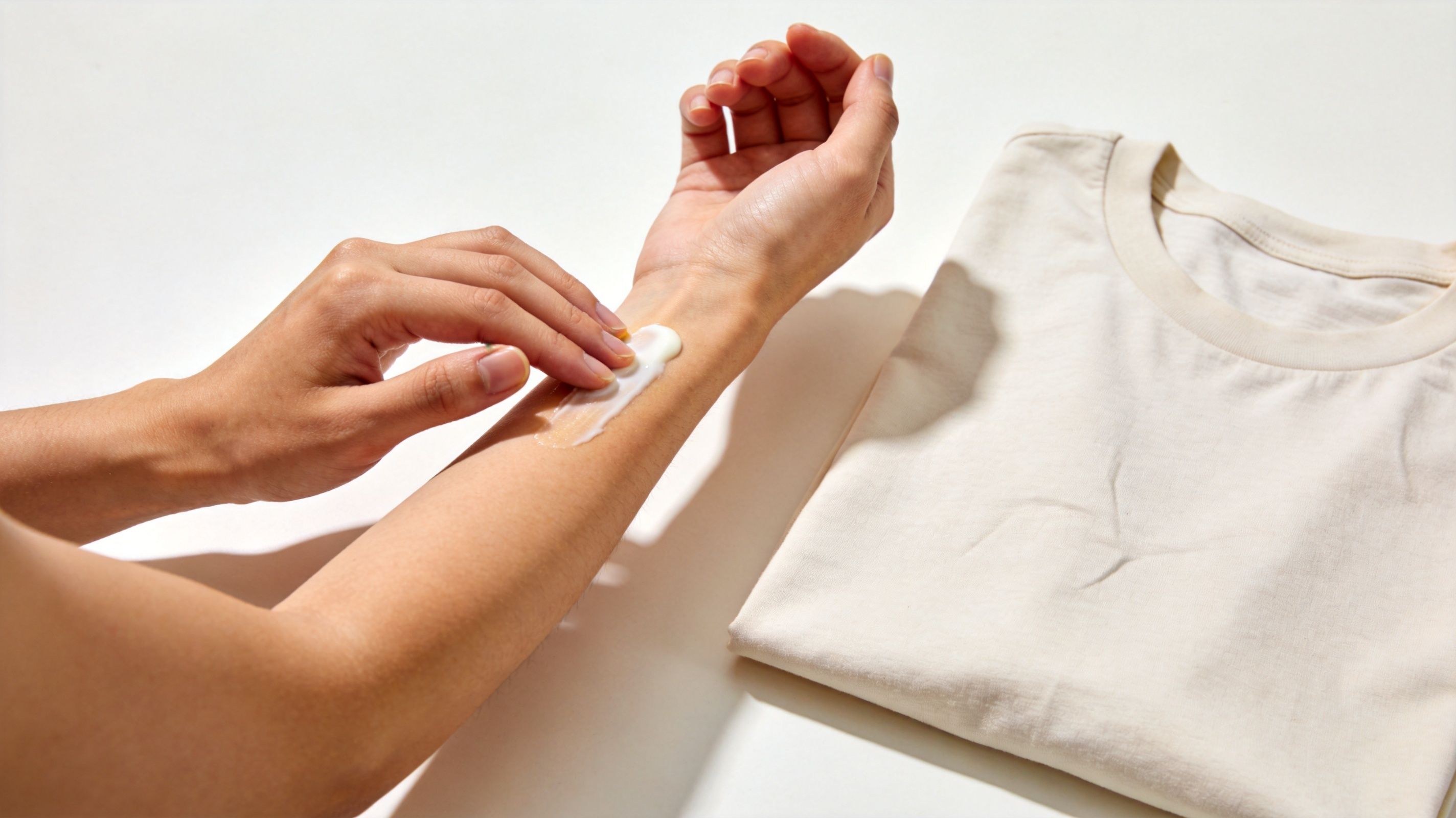
Most guides focus on cleanup, but a prevention-first approach is often overlooked. Helpful habits include allowing sunscreen to dry completely before dressing, choosing specific garments for sun-heavy days, and understanding which fabrics are more vulnerable to sunscreen's oily base, as noted in Good Housekeeping's sunscreen stain advice.
Build a sunscreen routine that fits busy mornings
Perfection isn't realistic when someone can't find a shoe and the water bottle is leaking in the car. A few simple habits matter more than a complicated checklist.
- Apply earlier when you can. Sunscreen needs a little time before it meets shirt collars and waistbands.
- Dress in stages. If you know shoulders, neck, and chest are getting sunscreen, wait on the nicest top until application is done.
- Keep “outside clothes” in rotation. For pool days, camp days, and park afternoons, choose garments you don't mind treating more often.
Choose clothes with the day in mind
Some pieces are worth protecting from sunscreen contact whenever possible.
A white linen shirt, a silk shell, and a dry-clean-only dress are poor candidates for rushed sunscreen mornings. Older tees, darker casual tops, and easy-wash layers make more sense on beach or sports days. That's not glamorous advice. It's the kind that saves time.
If you're also comparing formulas before buying, these expert tips on SPF and ingredients can help you think through texture and ingredient choices in a more informed way.
The simplest prevention habit is often the one that sticks. Apply, wait, then dress.
Pay attention to repeat-contact areas
Sunscreen doesn't hit every part of a garment evenly. Necklines, cuffs, chest panels, and straps collect the most transfer because skin keeps touching those spots. If you know a shirt gets worn on heavily sunny days, wash it promptly instead of letting residue sit in a hamper.
That small timing choice can spare you a bigger cleanup later.
When Your Laundry Needs a Professional Touch
Some sunscreen stains are reasonable home projects. Some aren't.
If the item is delicate, labeled dry clean only, already heat-set, or tied to an avobenzone reaction in hard water, home treatment can quickly turn into wasted time. Tide notes that avobenzone often reacts with iron found in hard water, creating rust-colored stains that need different professional treatment than standard oily residue. That's why local fabric care matters in areas where water chemistry can vary, as explained in Tide's sunscreen stain guide.
Good reasons to stop the DIY cycle
There's no prize for a third round of scrubbing at midnight.
Call in help when:
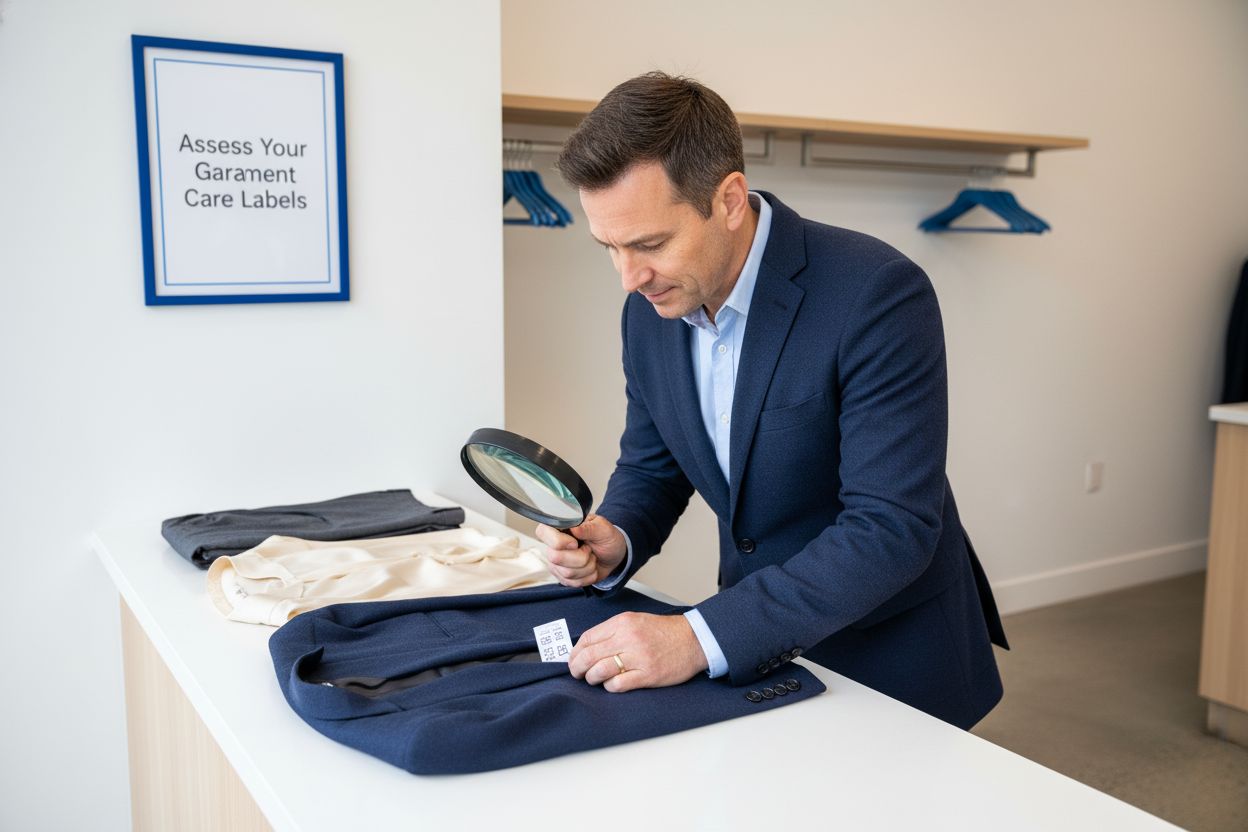
- The care label limits your options. Silk, rayon blends, suit jackets, and structured garments can be damaged by trial-and-error cleaning.
- The stain changed color after washing. That usually means you're not dealing with surface oil alone.
- You already used heat. Once a stain has been through the dryer, treatment usually gets more specialized.
- You don't have the bandwidth. Sometimes the smartest move is handing off the problem and getting your evening back.
What professional care changes
Professional care isn't just about stronger chemicals. It's about identifying whether the garment needs degreasing, color-focused treatment, delicate handling, or dry cleaning instead of another standard wash.
For households juggling work, school, sports, and everything else, that matters. Columbia Pike Laundry handles wash and fold, pickup and delivery, and fabric-specific stain treatment so you don't have to keep experimenting on a favorite item.
You didn't fail because a sunscreen stain won't budge at home. You made a practical call about your time.
If that yellow mark is still staring back at you, Columbia Pike Laundry is here to help. We handle the messy part with careful fabric treatment, pickup and delivery options, and the kind of steady help that gives you one less thing to solve tonight.
Free pickup, expert care, delivered back to your door.
Popular Blog Articles




Meet the Author
Daniel Logan didn’t start CPL because he loved laundry. He started it because his family was drowning in time debt, and laundry was one of the biggest weights.
Mornings were chaos with two kids under 5. Evenings felt like catch-up. And weekends? Gone to sorting socks and folding piles.
He knew his story wasn’t unique. So he built a business that gave families like his just a little bit of breathing room one load at a time.
With no laundry experience but deep tech skills, Daniel rolled up his sleeves, doing every job himself while building systems that turned it into a modern laundry service that saves customers time, simplifies their lives, and delivers reliability they can count on.
That’s where CPL began. Not from a playbook, but from pain. From one dad trying to buy back time: for himself, and for every household like his.
Free pickup, expert care, delivered back to your door.