
Top Sustainable Laundry Practices for Arlington Residents
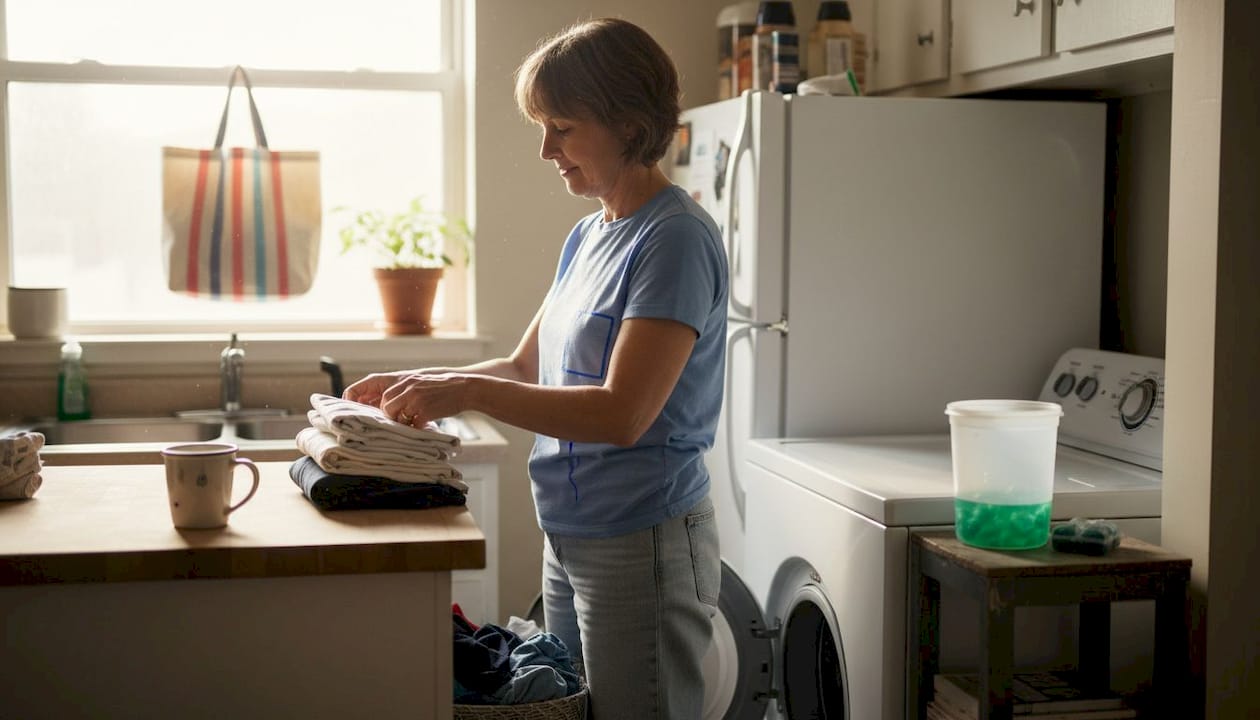
Columbia Pike Laundry offers pickup & delivery across Northern Virginia.
TL;DR:
- Sustainable laundry focuses on reducing water use, energy consumption, and chemical pollution.
- Simple habits like washing full loads in cold water and air drying can significantly lower environmental impact.
- Choosing eco-friendly detergents and partnering with local, optimized laundry services boosts overall sustainability.
Balancing a green conscience with a packed schedule is something most Arlington families know all too well. Laundry sits at the center of that tension: it happens constantly, it uses real resources, and the choices you make each week add up fast. Whether you wash at home or drop off at a local service, the decisions around water temperature, load size, and detergent type have a measurable impact on both the environment and your household budget. This guide breaks down the most practical, science-backed steps you can take right now, so sustainable laundry stops being an abstract goal and becomes a normal part of your week.
Key Takeaways
| Point | Details |
|---|---|
| Full loads save resources | Washing only full loads reduces water waste by 20–40 liters every time. |
| Cold water slashes energy | Choosing cold water cuts laundry energy use by up to 90% compared to hot washes. |
| Eco detergents matter | Plant-based, refillable detergents lower pollution and plastic waste significantly. |
| Air drying cuts energy | Skipping the dryer can save 2–3 kWh per load and reduce home energy by 6%. |
| Local eco services add value | Partnering with Arlington’s sustainable laundries maximizes impact and convenience. |
Set your criteria for sustainable laundry
Before you can improve your laundry routine, you need to know what you are actually trying to optimize. Sustainability in laundry comes down to three core categories: water use, energy consumption, and chemical pollution. Each one connects directly to choices you make before you even press start on a machine.
Water is the most visible resource. A standard top-loading washer uses 40 to 45 gallons per cycle, while a modern front-loader uses closer to 15. Over a year of weekly washing, that difference is staggering. Energy is less visible but equally significant. Heating water for a hot wash is the single biggest energy draw in the laundry process. Detergent chemicals are the quietest offender: phosphates and synthetic fragrances pass through water treatment systems and accumulate in local waterways.
Here is a quick breakdown of what to measure when evaluating your laundry habits:
- Water per cycle: Are you running partial loads or full ones?
- Wash temperature: Hot, warm, or cold?
- Detergent type: Conventional, plant-based, or refillable?
- Drying method: Machine dryer or air dry?
- Service choice: DIY at home or local professional service?
By the numbers: Household laundry accounts for roughly 20% of residential water use and 6% of home energy consumption. That makes it one of the highest-impact areas for families looking to reduce their footprint.
Local laundry services can actually outperform home machines on efficiency when they run commercial-grade equipment at full capacity. A well-run facility processes large batches with optimized water-to-load ratios, which individual home washers rarely achieve. Exploring eco-friendly laundry tips for both home and drop-off settings helps you see where your biggest gains actually are.
The point is not perfection. The point is setting honest criteria so you can make informed trade-offs rather than guessing.
Choose efficient washing strategies
With your criteria defined, the next step is changing how you actually run each load. Small adjustments in habit produce large cumulative savings, and none of them require buying new equipment.
Here are the most impactful steps, ranked by ease and effectiveness:
- Always wash full loads. A partial load uses nearly as much water as a full one. Washing full loads reduces water waste by 20 to 40 liters compared to running multiple smaller cycles. Let clothes accumulate for a few days instead of washing after every minor use.
- Switch to cold water. This is the single fastest win available. Cold water washing at 30°C or lower saves up to 90% of the energy used in a hot wash cycle. Modern detergents are specifically formulated to clean effectively in cold water, so you are not sacrificing results.
- Air dry whenever possible. A dryer uses 2 to 3 kWh per load. A drying rack uses none. Even drying two or three loads per week on a rack instead of the dryer makes a real dent in your monthly energy bill.
- Run machines during off-peak hours. In northern Virginia, grid demand peaks between 4 and 9 p.m. on weekdays. Running your washer at night or on weekend mornings reduces strain on the grid and may lower your utility costs if you are on a time-of-use rate plan.
- Skip the extra rinse cycle. Most modern machines rinse thoroughly in a standard cycle. The extra rinse adds water without meaningfully improving cleanliness.
Using a local sustainable laundry service for bulky items like comforters and rugs makes particular sense here. Commercial washers handle large items in a single pass at full capacity, which is something most home machines cannot do efficiently.
Pro Tip: Sort by fabric weight rather than just color. Heavy fabrics like towels and jeans take longer to dry, so washing them together lets you air dry them as a batch without holding up lighter items.
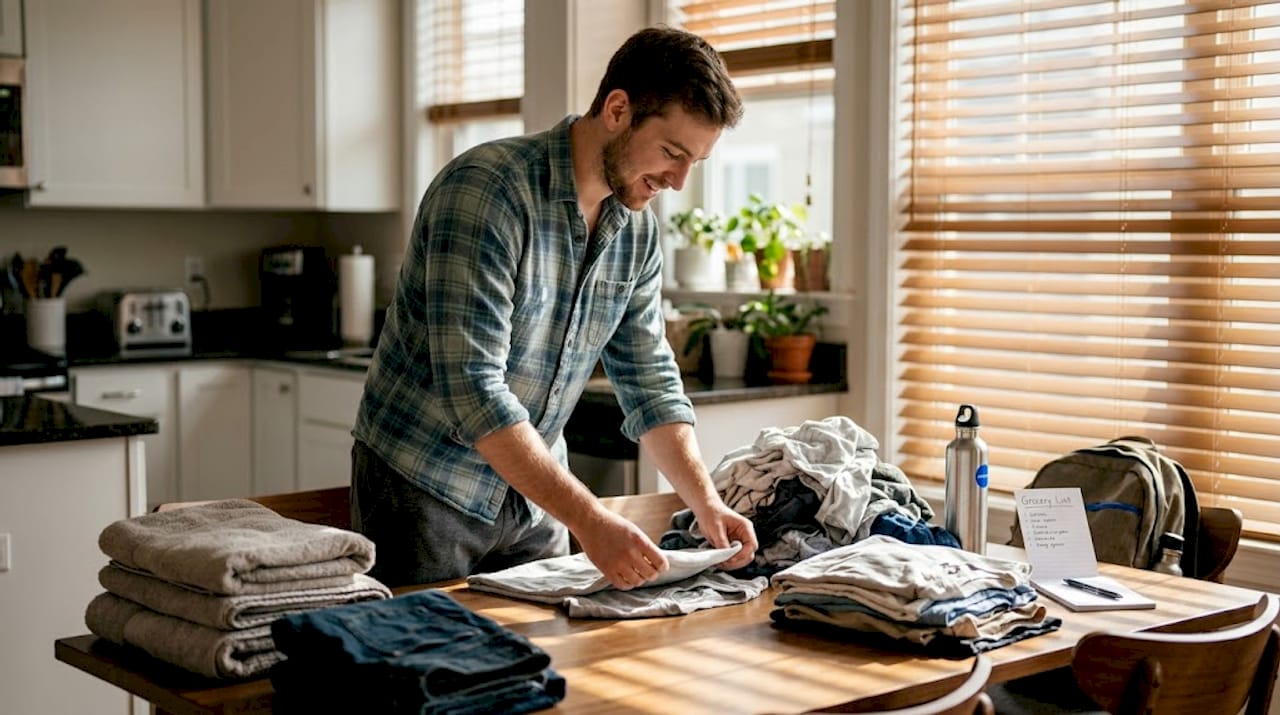
For a broader list of energy-saving laundry steps, small adjustments across all five strategies above compound quickly over a full year.
Adopt eco-friendly detergents and products
How you wash matters. What you wash with matters just as much. Conventional detergents often contain phosphates, optical brighteners, and synthetic musks that water treatment plants cannot fully filter out. These compounds enter the Potomac River watershed and affect aquatic ecosystems downstream.
The good news is that the eco-detergent market has matured significantly. You no longer have to choose between cleaning power and environmental responsibility. Here is what to look for on the label:
- Plant-based surfactants: These break down naturally in waterways and do not persist in the environment.
- Phosphate-free formula: Phosphates cause algae blooms in rivers and streams, depleting oxygen for fish and other life.
- Concentrated formula: More cleaning power per ounce means fewer bottles and less packaging waste.
- Fragrance-free or essential oil-based scent: Synthetic fragrances are among the least regulated ingredients in laundry products.
- Refillable packaging: Reduces plastic waste dramatically over time.
Plant-based detergents like Ecover and Seventh Generation are widely available in the Arlington area and perform well across most fabric types. Both are phosphate-free and biodegradable.
Refillable systems have become a strong option for households that want to reduce plastic further. Refillable eco-detergents like Cleancult perform well in independent lab tests while cutting plastic waste per wash significantly. You buy the refill pouch and reuse the same bottle, which adds up to real waste reduction over months.
“Choosing the right detergent is not just a personal health decision. It is a community decision. What goes into your wash cycle eventually reaches Arlington’s waterways.”
Local laundry services that offer fragrance-free or plant-based detergent options are worth prioritizing. Reviewing eco laundry service options in your area helps you identify which providers are genuinely committed to greener chemistry. For a deeper look at specific products available locally, this guide to eco detergent choices covers what is actually accessible in Arlington.
Partner with sustainable local laundry services
Even the most disciplined home laundry routine hits a ceiling. Bulky items, dry-clean-only garments, and weeks when life simply gets too busy create gaps that a reliable local service fills efficiently. But not all services are equal on the sustainability front.
When evaluating a local laundry provider, ask these specific questions:
- What detergents do you use, and can I request plant-based or fragrance-free options?
- Do you run full loads, or do you process small batches?
- How do you handle drying: air drying available, or exclusively machine dryer?
- What is your standard wash temperature for everyday items?
- Do you disclose your water and energy practices?
Here is a simple comparison of what to look for:
| Feature | Sustainable service | Standard service |
|---|---|---|
| Detergent type | Plant-based, phosphate-free | Conventional synthetic |
| Load practice | Full-capacity batches | Variable load sizes |
| Wash temperature | Cold or warm default | Hot default |
| Drying method | Air dry option available | Machine dryer only |
| Transparency | Shares eco-credentials | No stated policy |
| Custom preferences | Fragrance-free, hypoallergenic | Limited options |
Commercial laundry facilities that optimize their wash parameters consistently reduce environmental impact by 60 to 80% compared to unoptimized processes. That is not a marginal gain. That is the kind of number that justifies using a well-run local service for a portion of your household laundry.
This guide to local eco-laundry walks through what to expect from providers in the Arlington area. Understanding the local laundry business impact on community sustainability also helps frame why choosing local over a national platform makes a real difference. Exploring the benefits of local laundry services reinforces why in-house processing beats middle-man aggregators for quality control and accountability.
Pro Tip: When you first use a local service, send a test load with clear written preferences. A good provider will document them and apply them consistently on every future order. That is how you know they are actually paying attention.
Our take: Real-world gains and overlooked trade-offs
Here is something most eco-laundry articles skip entirely: the most aggressive sustainability recommendations often create their own trade-offs. Ultra-high-efficiency wash cycles can require longer run times and higher detergent concentrations to achieve the same cleaning result. Push the temperature too low on heavily soiled items and you may need a second wash, which cancels out the energy savings.
The RSM-LCA research on optimized washing makes this clear. Balance in load size, temperature, and detergent dosing consistently outperforms chasing any single variable to its extreme. That is the framework we apply at Columbia Pike Laundry when accommodating customer preferences.
We have also noticed that many families feel guilty about using a laundry service, as if it is automatically less green than doing it themselves. That is often backwards. A well-run local facility processing full commercial loads with quality detergents frequently beats a partially filled home machine running hot. The right organizing laundry routines strategy combines smart home habits with strategic use of a trusted local provider. Sustainable laundry is about total impact, not a single point of pride.
Next steps: Connect with Arlington’s top eco laundry providers
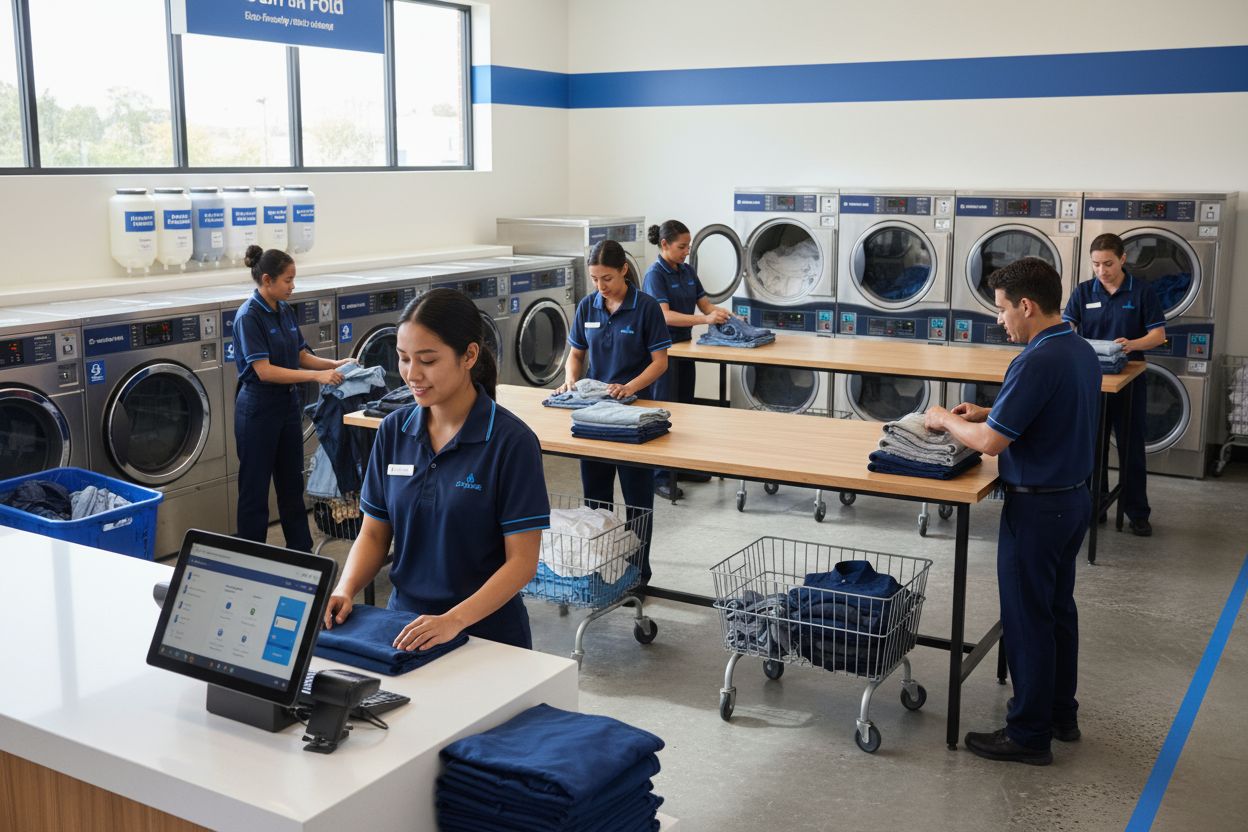
Ready to move from intention to action? Columbia Pike Laundry at 2602 Columbia Pike in Arlington makes it simple. We do all cleaning in-house, so there are no middle-man gaps in quality or accountability. You can request fragrance-free detergents, specify folding preferences, and track your order through our app. Learn how Columbia Pike Laundry works and schedule your first pickup online in minutes. We also serve neighboring areas, including McLean commercial laundry clients who want the same reliable, eco-conscious standard. Visit our Arlington eco laundry service page to see current pricing and book your first order today.
Frequently asked questions
How can I quickly reduce water and energy use in laundry?
Washing only full loads and switching to cold water are the two fastest changes you can make. Cold water washing saves up to 90% of the energy used in a hot cycle, and full loads save 20 to 40 liters per wash compared to partial ones.
What makes a laundry detergent eco-friendly?
Eco-friendly detergents are plant-based, biodegradable, and free from phosphates and synthetic fragrances. Plant-based formulas like Ecover and Seventh Generation break down naturally in waterways without harming aquatic ecosystems.
Are local laundry services in Arlington sustainable?
Many are, but you have to ask the right questions about detergent type, load practices, and wash temperature. Facilities that optimize wash parameters can reduce environmental impact by 60 to 80% compared to unoptimized processes.
Do refillable laundry products work as well as traditional ones?
Refillable detergents like Cleancult perform well in independent lab tests and significantly cut plastic waste compared to single-use bottles. They are a practical swap for most households.
Does air drying really make a difference?
Absolutely. Air drying eliminates the 2 to 3 kWh a dryer uses per load, which adds up to a meaningful reduction in your household energy use over the course of a year. It is also gentler on fabric, extending the life of your clothes.
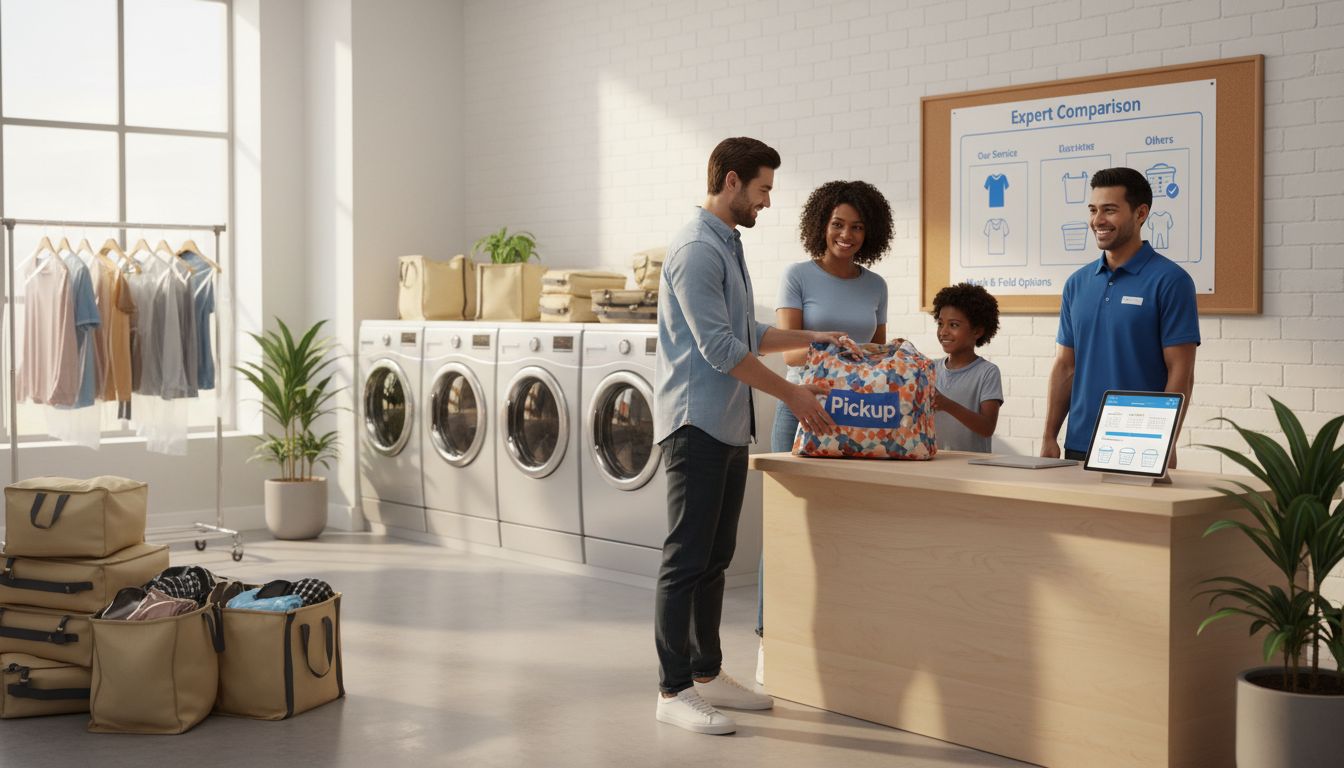
Free pickup, expert care, delivered back to your door.
Popular Blog Articles



Meet the Author
Daniel Logan didn’t start CPL because he loved laundry. He started it because his family was drowning in time debt, and laundry was one of the biggest weights.
Mornings were chaos with two kids under 5. Evenings felt like catch-up. And weekends? Gone to sorting socks and folding piles.
He knew his story wasn’t unique. So he built a business that gave families like his just a little bit of breathing room one load at a time.
With no laundry experience but deep tech skills, Daniel rolled up his sleeves, doing every job himself while building systems that turned it into a modern laundry service that saves customers time, simplifies their lives, and delivers reliability they can count on.
That’s where CPL began. Not from a playbook, but from pain. From one dad trying to buy back time: for himself, and for every household like his.
Free pickup, expert care, delivered back to your door.