
Will Oil Come Out of Clothes? A Guide to Removing Any Stain

Columbia Pike Laundry offers pickup & delivery across Northern Virginia.
It’s a moment we all dread: a stray drop of salad dressing or a splatter of hot cooking oil lands squarely on your favorite shirt. That dark, greasy spot can feel like a death sentence for your garment.
But will oil come out of clothes? I've seen it all, and I can tell you that in most cases, the answer is a resounding yes. The key is acting fast and using the right technique.
Will That Oil Stain Actually Come Out?

When that spot appears, it’s easy to think it’s a lost cause. But don't panic! Whether you can get that stain out at home depends on a few critical factors, and knowing what you're up against is half the battle.
The biggest factor, by far, is time. A fresh spill hasn't had the chance to truly bond with the fabric's fibers, making it much easier to lift out. An old stain that’s been sitting for days—or worse, has already been through a hot dryer cycle—is a whole different beast.
What Determines Your Success?
The fabric itself is a huge part of the equation. Some materials are simply more forgiving than others.
Natural fibers like cotton and linen are great at absorbing oil, which sounds bad, but they're also quite good at releasing it when you use the right cleaning agents.
Synthetics like polyester, however, are a bit trickier. Since many synthetics are petroleum-based products themselves, they have a natural affinity for oil. This means the oil doesn't just sit on the fabric; it can form a deeper bond that’s tougher to break.
To give you a clearer picture, here’s a quick breakdown of what you're facing.
Quick Guide to Oil Stain Removal Success
This table is a great starting point, but don't let a "challenging" stain stop you from trying. With the right approach, you can still win.
My Biggest Piece of Advice: Whatever you do, don't rub an oil stain! Frantically rubbing just grinds the oil deeper into the fibers and makes the spot bigger. Instead, gently blot the area with a clean paper towel or cloth to soak up any excess before you start treating it.
Your Go-To Strategy for Oil Stains
The secret to getting oil out of clothes lies in a two-pronged attack that works on most fabrics. You can't just toss it in the wash because oil and water famously don't mix—the water in your machine will just roll right off the greasy spot.
You have to deal with the oil before it ever sees the washing machine.
- First, absorb it. You need to pull as much of that liquid grease out of the fabric as you can. An absorbent powder is your best friend here. Cornstarch, baking soda, or even baby powder work wonders.
- Then, break it down. After you've lifted the excess, you need a powerful agent to break down what's left. Nothing beats a good, grease-cutting dish soap for this job.
This pre-treatment process is absolutely essential. If you're up against a particularly stubborn spot that has already set, you may need some more advanced techniques, which we cover in our guide on how to get old stains out of clothes.
Why That Greasy Spot Just Won’t Budge

Ever tossed a shirt with a fresh salad dressing splatter into the wash, only to pull it out with the stain still there, now mockingly set by the heat of the dryer? It's a frustratingly common experience. To get rid of oil stains for good, you have to understand what you're up against.
The core of the problem is simple chemistry: oil is hydrophobic. It literally repels water. That means the water in your washing machine just rolls right over the greasy spot without ever breaking it down. You need something that can grab onto those oil molecules and pull them away from the fabric.
Your Wardrobe Might Be Working Against You
The fabric itself is a huge factor in this fight. While natural fibers like cotton or linen are more forgiving, many of our clothes today create a much bigger headache.
Synthetic fabrics—think polyester, nylon, and acrylic—are basically a form of plastic derived from petroleum. And since "like attracts like," these petroleum-based fibers have a natural pull toward oil-based stains. They form a chemical bond that’s incredibly tough to break, making the stain feel like a permanent part of the garment.
It's a bigger issue than most people realize. The fashion industry is deeply reliant on these materials; synthetics are projected to make up about 65% of all fiber production globally by 2026. Polyester, the reigning king of oil-based textiles, is in almost everyone's closet.
This is the key thing to remember: with synthetic fabrics, you’re not just cleaning a stain off the surface. You're trying to break the chemical bond between the oily stain and the fabric fibers themselves. That’s why pre-treating is non-negotiable.
The Usual Suspects: Common Oil Stains
Of course, not all greasy marks are the same. The source of the oil often dictates how much of a fight you have on your hands.
- Kitchen & Food Oils: That stray french fry or drop of olive oil is probably the most frequent offender. These are usually the easiest to tackle, especially if you act fast.
- Cosmetics: Many makeup products, from foundation and concealer to lipstick and mascara, are oil-based. They can leave stubborn, pigmented grease marks on collars and cuffs.
- Automotive & Mechanical Oils: Motor oil, grease, and other fluids from working on a car create some of the most difficult stains. Sometimes, these stains come from unexpected places, like drips from a car with transmission fluid leaks that you may have brushed against.
Once you understand why oil clings so stubbornly, you can stop crossing your fingers and hoping for the best. Instead, you can move forward with a targeted plan that actually dissolves and lifts the grease for good.
Building Your At-Home Oil Stain Removal Kit

When you see a fresh oil stain, you’ve got to act fast. But don't reach for the washing machine just yet. Your best weapons are probably already sitting in your kitchen. The secret to success is a solid pre-treatment strategy focused on two things: absorbing the oil and then breaking down what’s left.
The first rule of oil stains? Blot, don't rub. Grabbing a paper towel and scrubbing the spot seems instinctive, but it actually grinds the grease deeper into the fabric’s fibers, turning a manageable spot into a major problem. Instead, gently press a clean paper towel or cloth onto the stain to lift away all the excess surface oil.
First, Absorb the Grease
After blotting, your next job is to pull the remaining oil out from within the fabric. This is where an absorbent powder becomes your best friend. No need for fancy, expensive products—you've got what you need right in your pantry.
Think of this powder as a magnet for grease. You'll want to completely cover the stain with a thick layer. Don't be stingy here; a generous pile is what you need to draw the oil up and out of the fibers.
A few household staples work brilliantly for this:
- Baking Soda: The classic, super-absorbent choice.
- Cornstarch: Works just as well as baking soda to soak up grease.
- Baby Powder: Its fine texture is perfect for pulling oil from more delicate fabrics.
Let the powder work its magic for at least 30-60 minutes. If you're dealing with a really saturated or old stain, leaving it on for a few hours (or even overnight) can make a huge difference. You'll actually see the powder start to clump up and darken as it pulls the oil out. Once it’s done its job, just scrape or brush it off.
My Favorite Trick: After brushing off the powder, I always hold the shirt up to the light. If you can still see a dark, translucent spot where the stain was, you know there’s still oil trapped in the fibers that needs more attention before washing.
Next, Break Down What's Left
With the bulk of the oil gone, it’s time to tackle the stubborn residue. For this, you need a grease-cutting liquid.
Honestly, nothing beats a good liquid dish soap. Its entire job is to emulsify and dissolve grease, and it works just as well on fabric as it does on a dirty frying pan.
Put a drop or two of dish soap directly on the remaining stain. I like to use my fingers or an old, soft toothbrush to gently work it into the fabric in small, circular motions. This helps the soap get deep into the fibers and break down the oil from every angle. Let that sit for another 15-30 minutes before you even think about washing it.
This one-two punch of absorbing and then breaking down the grease is the most reliable way to answer "yes" when you ask, "will oil come out of clothes?" For more ideas on what to keep in your laundry arsenal, check out our guide to the must-have laundry supplies for busy Arlington moms.
The Correct Way to Wash and Dry Oiled Clothing

You’ve patiently pre-treated that greasy spot, and now it’s time for the main event: the wash cycle. This is where a lot of people go wrong, because one mistake here can lock in the very stain you’re trying to remove. How you wash and, just as importantly, how you dry the garment will decide if that oil stain is gone for good.
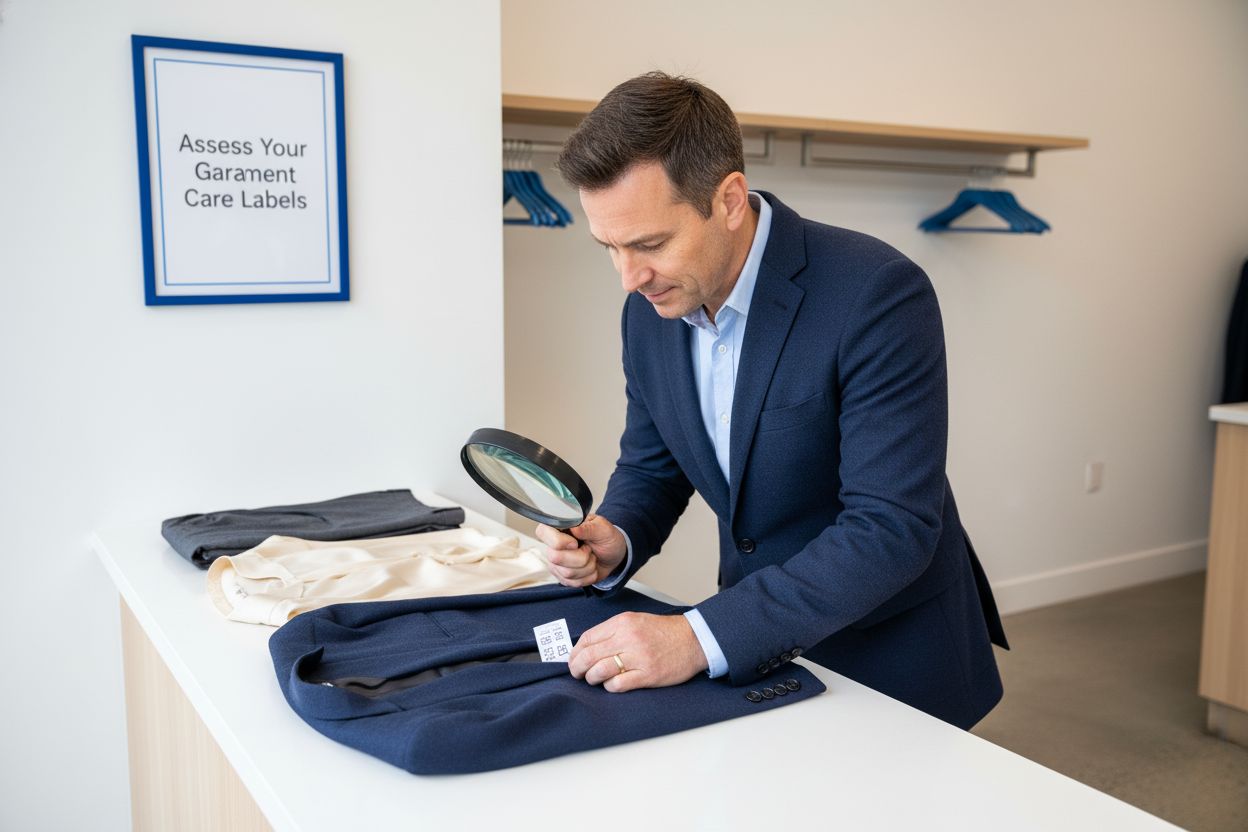
Before you do anything else, read the fabric care label. Your goal is to use the hottest water setting the garment can safely handle. Heat is your best friend when it comes to breaking down the grease that your pre-treatment has already started to loosen.
Amp Up Your Wash Cycle
To give your detergent a helping hand, consider adding a little extra firepower to the wash. This really improves your odds of knocking out the stain on the first try.
A few things that work wonders are:
- Laundry Boosters: These are made for tough jobs and work right alongside your regular detergent.
- More Dish Soap: That same grease-cutting dish soap from the pre-treatment step? A small squirt directly into the wash drum can make a big difference.
- Washing Soda: This is an old-school laundry additive that softens the water, which lets your detergent attack the grease more effectively.
When you're dealing with tricky stains, especially on finer materials, the key is to be effective without causing damage. It's the same principle behind professional gentle cleaning methods for delicate fabrics, where the right technique is chosen to protect the material. Matching your approach to the fabric is crucial.
If you remember one thing, make it this: Never, ever put an oil-stained piece of clothing in a hot dryer. That intense heat will essentially cook the oil right into the fabric fibers, making the stain permanent.
The All-Important Air-Dry and Inspection
Once the washer finishes, resist the urge to toss the garment into the dryer. Instead, hang it up to air-dry. I’d recommend keeping it out of direct sunlight, which can sometimes fade a damp spot.
When it's completely dry, it's time for a close inspection. Take the clothing under a bright light or over to a window. You need to look at the stained area from every angle—tilt it back and forth. If you see any kind of faint shadow, a slightly darker patch, or a translucent look, the oil isn't all gone.
Don't panic if you still see a mark. This is common with stubborn oil stains. Just repeat the pre-treatment and washing process one more time. Sometimes, it just takes a second round to fully lift the grease. Only when you've checked the air-dried item and are 100% sure the stain has vanished should you even think about using the dryer. This final check is your best defense against a permanent stain.
When to Call a Professional for Stain Removal
You’ve blotted, treated, and washed, but a faint, oily shadow is still clinging to your favorite shirt. It’s a frustrating moment we’ve all faced. Sometimes, no matter how good your home remedy is, a stubborn stain simply won’t cooperate. This isn’t a sign of failure—it’s just a signal that the problem needs a more powerful solution than what you have under your sink.
Knowing when to step back and call in a professional is the smartest thing you can do to save a garment. Some stains are just too risky or set-in to handle yourself. Bringing it to a professional service like Columbia Pike Laundry gives your clothing its best shot. We have access to specialized solvents and commercial-grade equipment that dish soap and elbow grease just can't compete with.
When the Fabric Is Too Delicate
Certain materials are simply not built for the kind of focused scrubbing and spotting that oil removal requires. What works wonders on a sturdy cotton tee can cause permanent damage to more fragile fibers.
You should head straight to a professional if the stain is on:
- Silk or Satin: These fabrics are notorious for developing water spots or losing their color with home treatments. The fibers themselves can easily be damaged by rubbing.
- Wool: The wrong water temperature or too much agitation can cause wool to shrink or "felt," completely ruining its soft texture and fit forever.
- Rayon and Viscose: These materials become incredibly weak when they get wet, making them prone to stretching or tearing with even gentle handling.
For these garments, the answer to "will oil come out of clothes?" really depends on professional skill. Trying to fix it yourself is a major gamble with an expensive or beloved item.
The most important clue is always right there on the tag. If it says "Dry Clean Only," take it seriously. That's not a suggestion; it's a clear warning that water and home detergents will likely destroy the fabric, color, or even the garment's structure.
When the Stain Has Set or Is Too Complex
Time is not your friend when it comes to oil stains. A stain that has been sitting for a few days—or worse, one that has been accidentally run through a hot dryer—has had time to bond deeply with the fabric fibers. You might be able to fade it, but getting it out completely at home becomes nearly impossible.
The type of oil also matters. Not all grease is the simple cooking variety.
It’s time to call us when you’re dealing with:
- Old, Set-In Stains: If a stain has already survived a wash cycle or two, it’s dug in deep and needs professional-grade solvents to break it down.
- Motor Oil or Mechanical Grease: These are heavy, petroleum-based oils, often packed with tiny metal particles that household cleaners just can't dissolve.
- Stains with Pigment: Think oil-based paint, certain inks, or foundation makeup. These are combination stains—part oil, part pigment—and they require a multi-step approach that targets both problems separately.
Professionals can identify the exact type of oil and fabric to create a custom treatment plan. To see how the experts tackle these tough jobs, you can learn more about how dry cleaners remove stubborn stains and the unique methods they use. Handing your garment over to a pro isn’t giving up—it’s giving it a real fighting chance.
Navigating the Tricky Parts of Oil Stain Removal
Even when you follow the steps perfectly, grease stains can throw you a curveball. Let's walk through some of the most common questions and tricky situations people run into when trying to get oil out of their clothes for good.
What About Home Remedies Like Vinegar or Lemon Juice?
It's tempting to reach for common household cleaners like vinegar or lemon juice, but for oil stains, you'll want to leave them on the shelf. These acids are fantastic for other cleaning jobs, but they simply don't have what it takes to break down oil.
The chemistry just isn't there. You need something that can grab onto fat and oil molecules so water can wash them away. A high-quality dish soap is specifically designed to do exactly that, which is why it works so well. Stick with the soap for this one.
What if I Accidentally Put the Stained Item in the Dryer?
This is the scenario every laundry-doer dreads. The heat from a dryer essentially bakes the oil right into the fabric's fibers, making it incredibly stubborn. It's tough, but not always impossible to fix.
You can still try to treat the stain, but you’ll need to be patient. Apply a very generous amount of dish soap or a dedicated laundry solvent to the spot. Let it sit for several hours—or even overnight. This gives the treatment time to hopefully penetrate and re-soften that set-in oil before you try washing it again.
A Pro's Takeaway: Honestly, a heat-set stain is the perfect time to call in a professional. Dry cleaners have access to specialized, powerful spot-cleaning chemicals that are far more effective at breaking down baked-in oils than anything you can buy at the store.
Does This Work for Every Type of Oil?
For the most part, yes. The basic method of absorbing the excess and treating with a grease-cutter works on most common household oils. Think lighter cooking oils from things like salad dressing, pizza drips, or fried foods—the dish soap method usually handles these without a problem.
The game changes, however, when you're dealing with heavier, petroleum-based oils.
- Lighter Oils: Olive oil, canola oil, and melted butter typically respond very well to a standard dish soap pre-treatment.
- Heavier Oils: Motor oil, bike chain grease, and certain mechanical lubricants are much thicker and more persistent. They often require a stronger, solvent-based approach that's best left to the pros.
Trying to tackle industrial-grade oils at home can sometimes spread the stain or even damage the fabric. For these, heading straight to a professional is your safest bet.
How Should I Handle Oil Stains on Silk or Wool?
When it comes to delicate fabrics like silk, wool, or even rayon, our advice is simple: don't try to treat it at home. These materials are incredibly sensitive. Water can leave permanent spots on silk, scrubbing can destroy the texture of wool, and even a gentle soap can damage the fibers beyond repair.
For these delicate items, the answer to "will oil come out of clothes" almost always involves a dry cleaner. Get the garment to a professional as quickly as you can. They have the right tools and gentle cleaning methods to tackle tough stains without ruining the fabric's integrity.
Still staring down a stain that just won’t give up? Don't risk ruining your favorite shirt or pair of pants. Let the experts at Columbia Pike Laundry take a look. We have the professional-grade tools and years of experience to give your garments their best shot at a full recovery. Schedule a pickup today and let us work our magic. Learn more and book your service on our website.
Free pickup, expert care, delivered back to your door.
Popular Blog Articles



Meet the Author
Daniel Logan didn’t start CPL because he loved laundry. He started it because his family was drowning in time debt, and laundry was one of the biggest weights.
Mornings were chaos with two kids under 5. Evenings felt like catch-up. And weekends? Gone to sorting socks and folding piles.
He knew his story wasn’t unique. So he built a business that gave families like his just a little bit of breathing room one load at a time.
With no laundry experience but deep tech skills, Daniel rolled up his sleeves, doing every job himself while building systems that turned it into a modern laundry service that saves customers time, simplifies their lives, and delivers reliability they can count on.
That’s where CPL began. Not from a playbook, but from pain. From one dad trying to buy back time: for himself, and for every household like his.
Free pickup, expert care, delivered back to your door.