
6 Quick Laundry Folding Tips for Busy Moms in Arlington
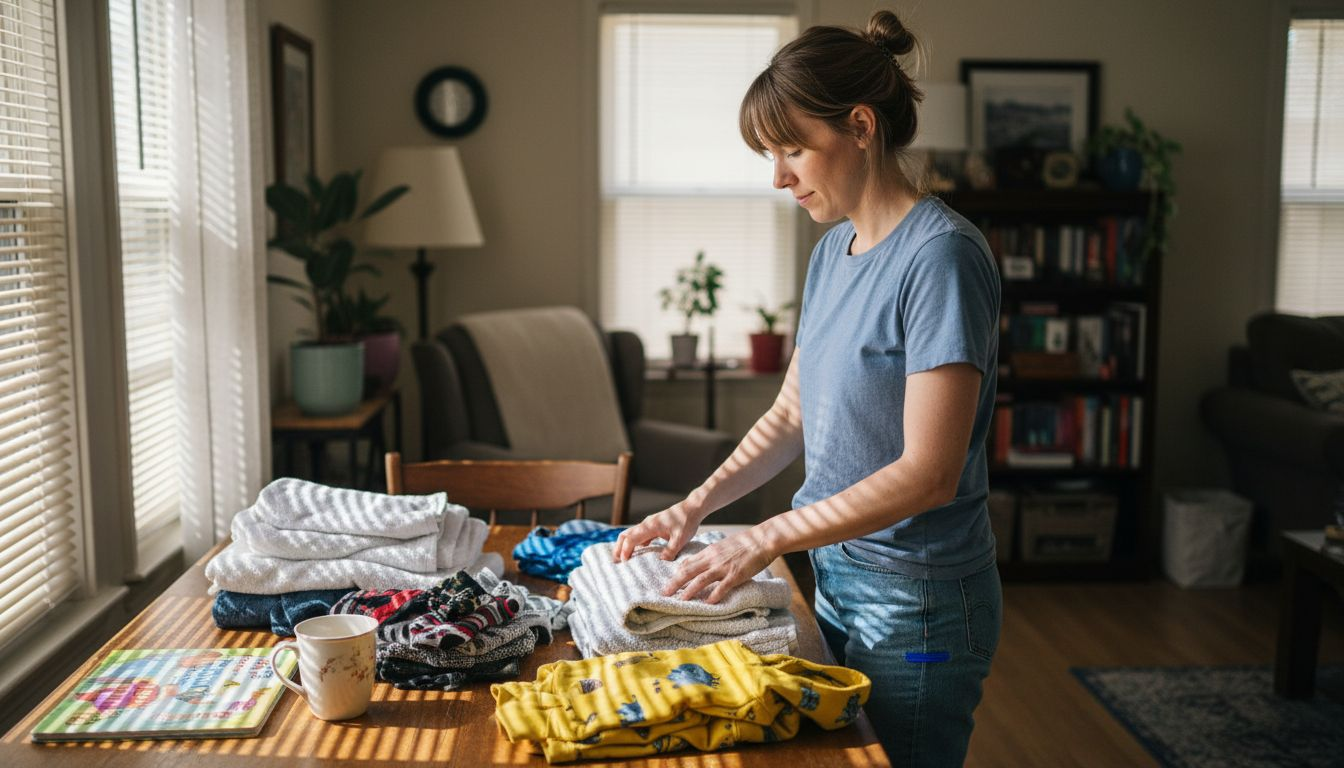
Columbia Pike Laundry offers pickup & delivery across Northern Virginia.
Tackling laundry often feels like a never-ending cycle, especially when every load seems to add hours to your day. Turning piles of clean clothes into neatly folded stacks can be overwhelming when time and energy are running low. If you want a routine that finally brings order and speed to your laundry process, you’re not alone.
This guide delivers practical solutions that cover every stage of laundry, from smart sorting to lightning-fast folding methods. You’ll uncover time-saving techniques backed by expert recommendations, including ways to prevent color mixing, organize your laundry space, and teach your kids to fold their own clothes.
Get ready to learn simple habits and tricks that transform laundry into a quick and organized task—so you can reclaim more time for yourself and your family.
Quick Summary
| Takeaway | Explanation |
|---|---|
| 1. Sort Laundry for Efficiency | Proper sorting prevents damage, optimizes drying, and makes folding significantly quicker. |
| 2. Use the Two-Second Shirt Flip | This method streamlines folding, saving up to 10 minutes per load by leveraging natural movements. |
| 3. Implement the Stack Method for Pants | Stacking pants vertically is space-efficient and simplifies access, reducing morning chaos. |
| 4. Roll Towels for Neat Storage | Rolling towels minimizes wrinkles and creates a visually appealing organization in your linen closet. |
| 5. Teach Kids to Fold Clothes | Involving children in folding builds independence and responsibility while lightening your workload. |
1. Sort and Prep Laundry for Faster Folding
Proper sorting is the foundation of efficient laundry handling. When you separate clothes before washing, you set yourself up for faster folding and better results overall.
Why does sorting matter so much? It prevents color bleeding, protects delicate fabrics, and ensures garments dry evenly. All of this means less wrinkling and tangling when you reach the folding stage.
The Three-Part Sort System
Start by dividing your laundry into these essential categories:
- Whites and lights - Separate these to prevent yellowing and color transfer
- Medium to dark colors - Keep together safely without risk of bleeding onto lighter items
- Delicates and heavy fabrics - Wash these separately to prevent damage and ensure proper agitation
This approach follows laundry sorting basics recommended by cleaning professionals for spotless results.
Beyond colors, check every care label. Some items need cold water while others tolerate hot water. Mixing incompatible temperatures wastes water and energy while potentially damaging clothing.
Smart sorting takes five extra minutes upfront but saves you twenty minutes during folding.
Treat stains before washing whenever possible. A quick pre-treatment prevents stains from setting into fabric, which means easier removal and neater folding afterward. Grass, dirt, and food stains all respond better to immediate attention.
Don’t overload the washer either. Cramming too many clothes in one load prevents proper cleaning and leads to wrinkled, bunched fabrics that take longer to fold. Aim for about three-quarters full for the best results.
Keep similar item sizes together. Small items like socks and underwear wash faster than heavy towels and jeans. When you group these by size, drying times align, and everything comes out ready to fold at once.
Pro tip: Keep a simple color-coded hamper or laundry sorter in your bedroom or bathroom so clothes are already separated when laundry day arrives, cutting your prep time in half.
2. Master the Two-Second Shirt Flip
The two-second shirt flip is a game-changing folding technique that turns a tedious task into something quick and satisfying. With practice, you’ll fold button-ups and casual shirts in seconds rather than minutes.
This method works because it uses your body’s natural movements instead of fighting against them. You’re essentially letting gravity and momentum do most of the work for you.
How the Two-Second Flip Works
Here’s the breakdown of this efficient folding motion:
- Lay the shirt flat on a surface with the front facing down
- Fold one side of the shirt toward the center, creating a diagonal line from the shoulder to the hem
- Fold the sleeve back over itself at a 90-degree angle
- Repeat on the opposite side, mirroring the first fold
- Fold the bottom up to meet the neckline
- Flip the entire folded shirt over in one smooth motion
The “flip” at the end is what makes this technique special. One quick motion flips your shirt right-side out and perfectly folded. That’s where the speed comes from.
Practice makes this technique second nature, and once you master it, you’ll never fold shirts the same way again.
Why does this matter for busy moms? Time savings add up fast. If you fold ten shirts using traditional methods versus the flip technique, you’re looking at a five to ten-minute difference per load. Over a week of laundry, that’s nearly an hour reclaimed.
Precise folding techniques emphasize minimal movements and identifying natural fold lines, which is exactly what the two-second flip accomplishes. The less you handle each garment, the faster you work.
You’ll also notice your shirts look better. The flip prevents wrinkles that come from overhandling fabric. Your clothes arrive at the closet neat and wrinkle-free.
Pro tip: Start by practicing on one old shirt a dozen times in a row until the motion becomes automatic, then gradually add speed as muscle memory develops.
3. Fold Pants Efficiently with the Stack Method
The stack method transforms pants folding from a time-consuming chore into a streamlined process. Instead of folding and refolding, you create a neat, vertical stack that fits perfectly in drawers and looks organized.
This technique works because it uses consistent creases and logical folds that maximize drawer space. You’ll spend less time searching for specific pants when they’re organized vertically.
The Stack Method Step by Step
Follow these simple steps to master this efficient folding approach:
- Lay pants flat on a surface with the waistband facing away from you
- Fold one leg over the other, aligning seams carefully
- Fold the pants in half lengthwise so the waistband meets the hem
- Fold in halves or thirds depending on your drawer depth
- Stack folded pants with the waistband facing up for easy identification
The key is maintaining consistent fold lines throughout. This precision means your stack stays neat and doesn’t topple over in the drawer.
A well-stacked pile of pants saves space and makes getting dressed faster because you see everything at once.
Why does this matter for busy mornings? When pants are stacked vertically, you can see every option without digging through a pile. Your kids can grab their own pants without your help, which means one fewer task on your plate.
This method also protects fabric quality. Unlike folding and refolding repeatedly, the stack method uses consistent creases that won’t wear out your clothing. Your pants maintain their shape and color longer.
Laundry folding techniques for busy families emphasize efficiency and space optimization, which the stack method delivers perfectly. Once you master the folds, the entire process becomes automatic.
Consider labeling drawers by pants type. Jeans in one drawer, work pants in another, and casual pants elsewhere. This organization system pairs beautifully with the stack method.
Pro tip: Fold all pants from one load in batches while sitting down to rest, then stack them directly into drawers to eliminate an extra step and save precious minutes.
4. Tackle Towels Using the Roll Technique
Rolling towels might seem like a spa-only luxury, but it’s actually one of the fastest ways to organize and store linens. This technique saves space, keeps towels wrinkle-free, and looks polished in any bathroom.
Unlike folding, rolling uses a continuous motion that’s both calming and efficient. You’ll process a stack of towels in minutes rather than struggling with awkward folds.
How to Roll Towels Properly
Mastering the basic roll takes just a few simple steps:
- Lay your towel flat on a clean surface
- Fold one long edge about six inches toward the center
- Roll the towel tightly from the opposite end toward the folded edge
- Tuck the end of the towel into the fold to secure it
- Stand the rolled towel upright in your linen closet or basket
The key is keeping tension consistent as you roll. Loose rolls fall apart, while overly tight rolls waste space.
Rolled towels take up less drawer space and actually stay fresher because they avoid the creases that come from traditional folding.
Why should you care about this technique? Practical ways to roll towels for storage show how rolling prevents wrinkles and maximizes closet organization. You’ll see your entire towel collection at a glance, making it easier to grab what you need.
Rolled towels also look intentional and neat. Guests notice an organized linen closet, and your family appreciates finding towels quickly without digging through piles.
Benefits of the rolling technique include:
- Space efficiency - Rolled towels stack vertically and use less room
- Quick access - See all towels at once without searching
- Reduced wrinkles - No hard creases that need touching up
- Aesthetic appeal - Your closet looks intentionally organized
Consider rolling different towel sizes separately. Bath towels in one basket, hand towels in another, and washcloths in a third creates a system that works for everyone in your household.
Pro tip: Roll towels immediately after they dry while they’re still warm, which makes the fabric more pliable and helps rolls hold their shape better throughout storage.
5. Use Bins for Quick Sorting and Storage
Bins are the secret weapon of organized laundry rooms. With the right system, you’ll sort and store clothes in minutes instead of spending hours searching through piles.
Bins create designated spaces for different clothing categories. This prevents mixing and confusion while making it easy for everyone in your family to find what they need.
Setting Up Your Bin System
Start by choosing bins that work for your space and needs:
- Size matters - Select bins large enough for typical loads but small enough to fit your storage area
- Clear visibility - Transparent bins let you see contents without opening them
- Labeling - Use clear, bold labels so everyone knows what goes where
- Accessibility - Place frequently used bins at eye level for quick grabbing
The most effective bin systems organize by clothing type, fabric care level, or family member. A bin for delicates stays separate from one for heavy jeans.
A well-labeled bin system cuts sorting time by half because everyone knows exactly where everything belongs.
Consider using color-coded bins for efficient organization. Different colors help younger children participate in laundry management without needing to read every label. Red bins for darks, blue for lights, and green for delicates creates a visual system everyone understands.
Bins also work beautifully for post-laundry organization. Instead of folding everything onto beds or couches, fold items directly into bins sorted by person. Each family member carries their own bin to their room.
Benefits of bin-based organization:
- Reduces laundry day stress and confusion
- Teaches children responsibility for their own clothes
- Speeds up the putting-away process
- Creates a visual system that’s easy to maintain
- Prevents clothes from getting lost or forgotten
You can also use bins to create a “folding station.” One bin holds clean, unfolded items. As you fold, place finished clothes in bins labeled by person or room.
Pro tip: Label bins with both words and images so young children can help sort laundry independently, turning a chore into a learning opportunity while saving you time.
6. Teach Kids Simple Folding Routines
Teaching your children to fold clothes transforms laundry day from solo work into a family activity. Kids who learn simple folding routines develop independence, responsibility, and life skills they’ll carry into adulthood.
Start young and keep routines simple. Children as young as four or five can learn basic folding with clear demonstrations and patience.
Building Independence Through Folding
Begin with the easiest items and work your way up:
- Start with washcloths and hand towels
- Progress to larger bath towels
- Move on to simple pants folding
- Graduate to shirts once they master earlier steps
Each step builds confidence. A child who successfully folds one type of item feels proud and ready to tackle the next challenge.
Consistency matters more than perfection. Your eight-year-old’s folded shirt might not be flawless, but the effort teaches responsibility and accomplishment. Praise the attempt, not just the result.
Children who participate in laundry routines develop organizational skills and independence that benefit them for life.
Why invest time teaching kids to fold? You’re building skills and confidence while reducing your workload. Teaching kids simple laundry routines helps them understand household management and gives them ownership of their belongings.
Set up a designated folding station at their height. A small table or the edge of a bed works perfectly. Keep it clutter-free so they can focus on the task.
Make it routine by assigning a specific day and time. Tuesday evenings after dinner becomes “folding time.” Repetition builds muscle memory and makes the task feel automatic.
Tips for successful kids folding routines:
- Use clear, simple language when demonstrating
- Fold alongside them at first to model the process
- Let them fold their own clothes for personal investment
- Celebrate small wins and improvements
- Keep expectations age-appropriate
Pro tip: Let each child fold only their own clothes first, which makes the task manageable and gives them pride in completing something independently.
Below is a comprehensive table summarizing the key tips and techniques for efficient laundry sorting and folding as discussed in the article.
| Section | Technique/Strategy | Key Steps | Benefits |
|---|---|---|---|
| Sorting Laundry | Three-Part Sorting System | Separate clothes by whites and lights, medium to dark colors, and delicates and heavy fabrics. | Prevents color bleeding, protects delicate fabrics, and reduces tangling. |
| Folding Shirts | Two-Second Shirt Flip | Follow a six-step process utilizing natural movements for quick folding. | Saves time, reduces fabric handling, and produces wrinkle-free folding. |
| Folding Pants | Stack Method | Align pant seams, fold lengthwise, and stack based on size and type. | Reduces drawer clutter and ensures easy access to organized pants. |
| Organizing Towels | Roll Technique | Fold one edge, roll tightly, and secure into a compact shape. | Reduces space usage, maintains neat appearance, and prevents wrinkles. |
| Using Bins | Bin-Based Sorting | Implement labeled, color-coded bins to separate items by type and use. | Expedites sorting, improves access, and introduces visual organization. |
| Teaching Children | Simple Folding Routines | Teach folding basics starting with smaller items and progressing incrementally. | Promotes independence, improves life skills, and saves parents’ time. |
Simplify Laundry Folding and Reclaim Your Time Today
Busy moms in Arlington know that managing laundry with limited time is a real challenge. This article highlights smart tips like sorting laundry properly, mastering quick folding moves, and using bins to keep clothes organized. These techniques are designed to save you time and reduce the stress of endless laundry chores. If you often feel overwhelmed by laundry stacks or struggle to find time for folding, these practical solutions speak directly to your needs.
Experience true laundry relief with Columbia Pike Laundry, a trusted local service that offers professional wash and fold, dry cleaning, and custom folding preferences. Whether you want to take advantage of our convenient pickup and delivery or prefer dropping off your laundry at our Arlington storefront, we handle everything in-house to ensure top quality and speedy turnaround. Learn more about our approach to Laundry Relief and explore additional Seasonal and Practical Laundry Tips on our website.
Stop sacrificing your valuable time to laundry folding. Visit Columbia Pike Laundry now to schedule your first pickup or drop-off and experience how expert care paired with convenient service frees your day. Take control of laundry without the hassle starting today.
Frequently Asked Questions
How can I sort laundry quickly before folding?
Sorting laundry can be made efficient by using a three-part system: separate whites and lights, medium to dark colors, and delicates from heavy fabrics. This prevents color bleeding and ensures quicker folding at the end. Aim to spend just five minutes on sorting to save around twenty minutes later.
What is the two-second shirt flip technique?
The two-second shirt flip is a quick folding method that allows you to fold shirts in just seconds. Practice this technique to save time—if you fold ten shirts, you can reclaim five to ten minutes compared to traditional folded methods.
What are the steps to fold pants using the stack method?
To fold pants using the stack method, lay them flat, fold one leg over the other, then fold in half and stack them with the waistband facing up. This approach organizes pants vertically, saving space and making it quicker to find what you need. Implement this method to keep your drawers neat and organized.
How do I roll towels for better storage?
Rolling towels involves folding one edge towards the center and rolling tightly from the opposite end. This technique saves space and minimizes wrinkles, making it easier to access and keep your linens looking fresh. Try rolling your towels right after drying to maintain their shape and efficiency.
What bin system is ideal for organizing laundry?
An effective bin system should include clear, labeled bins that sort clothes by type or family member. Ensure the bins are accessible and large enough for typical loads, which helps cut sorting time significantly. Aim to create a system that teaches family members responsibility for their own laundry.
How can I involve my kids in laundry folding routines?
Teach your kids simple folding routines starting with easy items like washcloths and small towels. Progressively move to more complex items as they gain confidence, fostering independence and responsibility. Making this routine engaging allows them to learn valuable life skills while you share the workload.
Recommended
Free pickup, expert care, delivered back to your door.
Popular Blog Articles


Meet the Author
Daniel Logan didn’t start CPL because he loved laundry. He started it because his family was drowning in time debt, and laundry was one of the biggest weights.
Mornings were chaos with two kids under 5. Evenings felt like catch-up. And weekends? Gone to sorting socks and folding piles.
He knew his story wasn’t unique. So he built a business that gave families like his just a little bit of breathing room one load at a time.
With no laundry experience but deep tech skills, Daniel rolled up his sleeves, doing every job himself while building systems that turned it into a modern laundry service that saves customers time, simplifies their lives, and delivers reliability they can count on.
That’s where CPL began. Not from a playbook, but from pain. From one dad trying to buy back time: for himself, and for every household like his.
Free pickup, expert care, delivered back to your door.