
Role of Laundry in Healthcare: Safeguarding Patient Safety
Columbia Pike Laundry offers pickup & delivery across Northern Virginia.
Bold infection control standards shape every american healthcare facility, where even a single contaminated linen can jeopardize patient safety. In Arlington, Virginia, administrators and managers face daily pressure to limit the spread of pathogens through effective textile management. This overview reveals how professional-grade laundry solutions, advanced sanitization protocols, and regulatory compliance measures help facilities defend against infection while supporting safe patient care.
Key Takeaways
| Point | Details |
|---|---|
| Role of Professional Laundry | Professional laundry services play a critical role in infection prevention by eliminating microbial contamination from healthcare textiles. |
| Importance of Compliance | Adherence to infection control and safety regulations is essential to prevent infectious disease transmission in healthcare settings. |
| Specialized Handling of Textiles | Different textile categories require unique handling and sanitization processes to maintain hygiene and reduce infection risks. |
| Technological Innovations | Advances in laundry technology enhance sanitization effectiveness, improve energy efficiency, and optimize textile preservation. |
The Role of Laundry in Preventing Infection
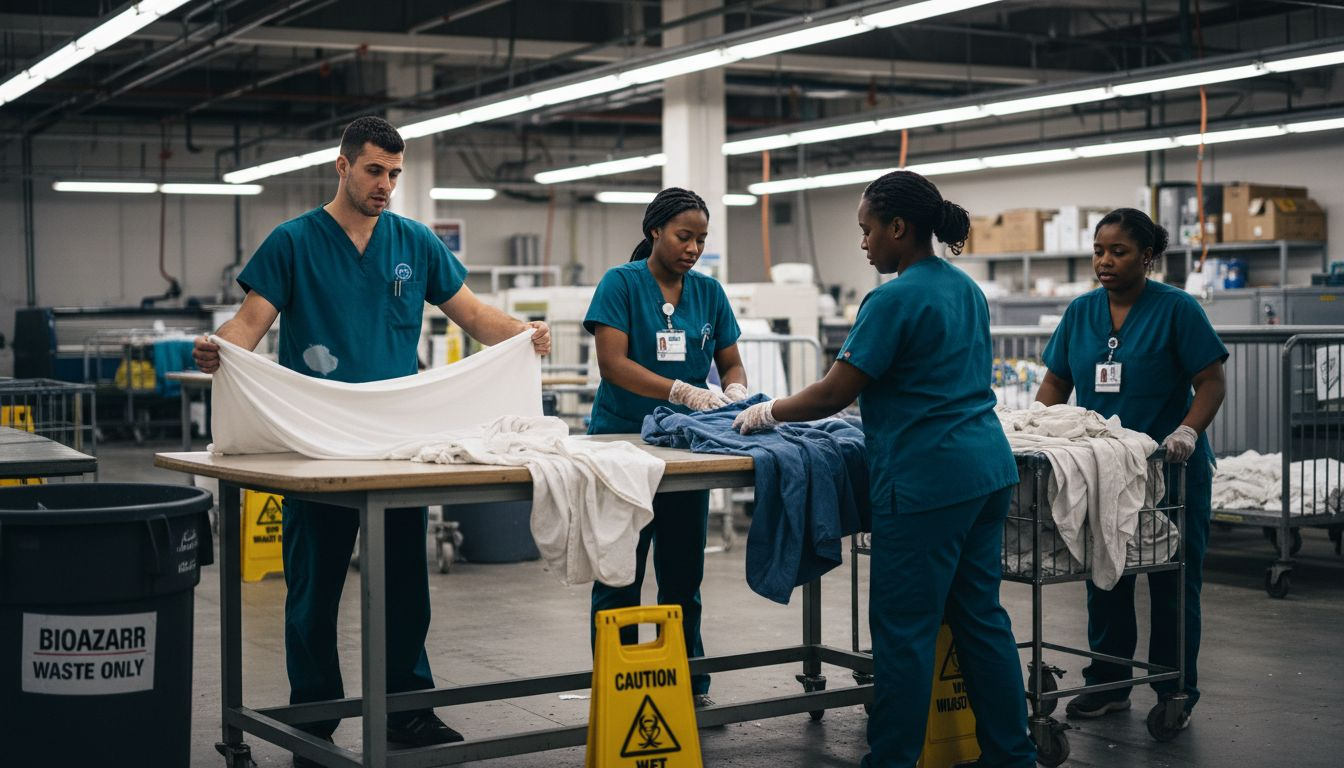
Healthcare facilities face constant challenges in preventing infection transmission, with medical textiles serving as potential vectors for pathogenic spread. Infection control standards emphasize the critical role professional laundry services play in mitigating these risks by systematically eliminating microbial contamination from linens, gowns, and other textile materials.
Professional healthcare laundry processes involve multiple strategic interventions designed to neutralize infectious agents. These include high-temperature washing cycles, specialized detergents, and rigorous sorting protocols that prevent cross-contamination. Industrial-grade washers can reach temperatures exceeding 160°F, effectively destroying most bacterial and viral pathogens. Additionally, strict handling procedures ensure that contaminated textiles are segregated and processed using specialized techniques that minimize infection transmission risks.
The mechanical and chemical processes used in professional healthcare laundry services are meticulously engineered to meet stringent infection prevention guidelines. This involves creating controlled environments with specific air pressure differentials, implementing comprehensive personal protective equipment (PPE) protocols for laundry staff, and maintaining precise workflow segregation between soiled and clean textile zones. By adhering to these sophisticated protocols, healthcare laundry services significantly reduce the potential for pathogen survival and transmission.
Pro tip: Always request documentation of your healthcare laundry service’s infection control certification and ask about their specific sanitization protocols to ensure maximum patient safety.
Types of Textiles Processed in Healthcare
Healthcare facilities manage an extensive range of textile materials that require specialized processing and sanitization. Healthcare laundry guidelines categorize these textiles into distinct groups based on their specific use, contamination potential, and required treatment protocols. The primary textile categories include patient linens, staff uniforms, surgical textiles, and cleaning cloths, each demanding unique handling approaches to maintain hygienic standards.
Patient linens represent a critical textile category, encompassing bed sheets, pillowcases, blankets, and patient gowns. These items are in direct contact with patients and frequently exposed to bodily fluids, blood, and other potentially infectious materials. Surgical textiles, including drapes, gowns, and wraps, require even more stringent processing due to their use in sterile environments. Staff uniforms and protective clothing also demand specialized cleaning to prevent cross-contamination between healthcare workers and patient areas.

Textile processing standards dictate specific protocols for different textile types. Thermal disinfection techniques, chemical treatments, and precise sorting methodologies ensure that each textile category receives appropriate sanitization. Industrial laundry systems employ sophisticated washing cycles that can eliminate up to 99.9% of potential pathogens, with temperatures and chemical treatments carefully calibrated to the specific textile type and contamination level.
Pro tip: Request a detailed breakdown of your healthcare laundry service’s textile processing protocols to understand their specific sanitization methods for different textile categories.
Here’s a summary of how different healthcare textile types require specialized handling:
| Textile Category | Typical Use | Unique Processing Need |
|---|---|---|
| Patient Linens | Bedsheets, blankets, gowns | Frequent high-temp washing |
| Surgical Textiles | Drapes, sterile wraps | Maximum-level disinfection protocols |
| Staff Uniforms | Scrubs, protective clothing | Separate cycles to avoid cross-risk |
| Cleaning Cloths | Disinfecting surfaces | Heavy-duty chemical sanitization |
Laundry Workflows and Sanitization Protocols
Healthcare laundry operations require meticulously structured workflows to ensure patient safety and prevent cross-contamination. Good laundry practices begin with strict physical separation between soiled and clean textile areas, implementing comprehensive protocols that minimize infectious disease transmission risks.
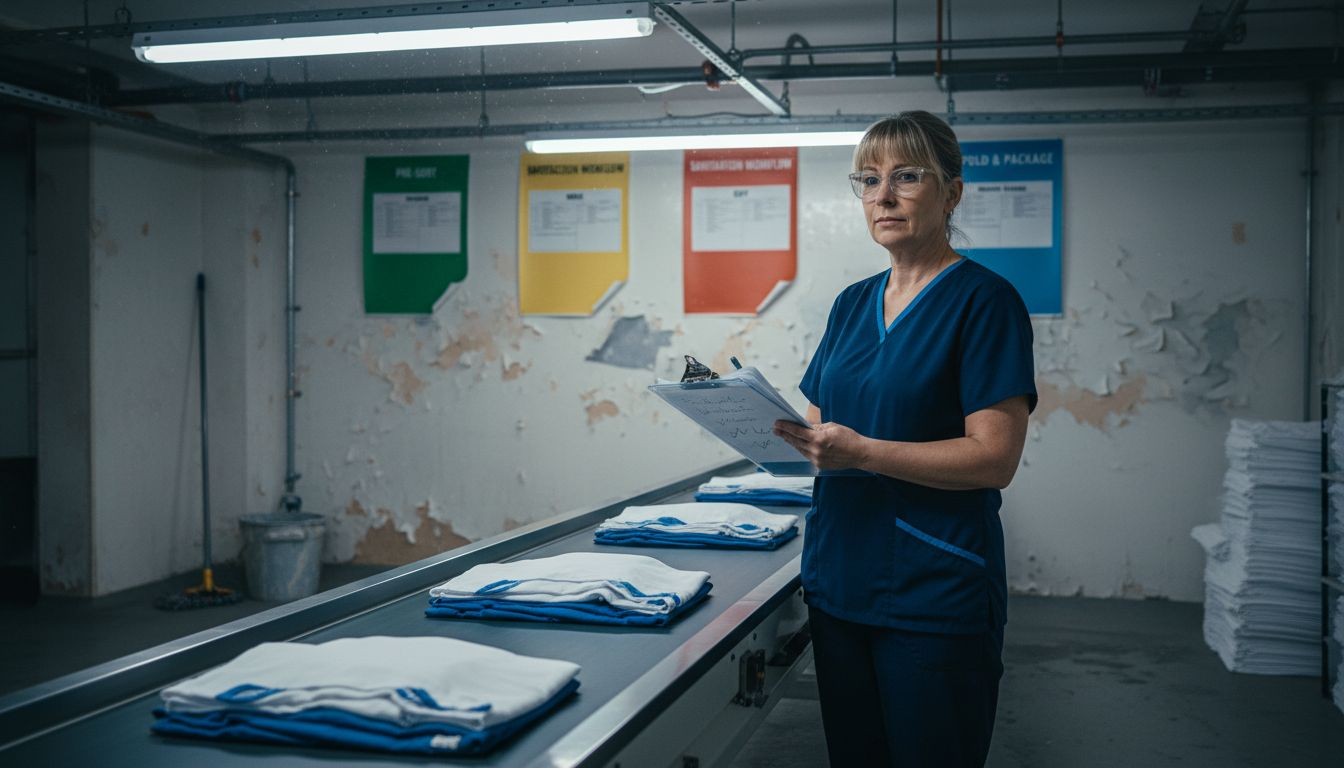
The sanitization process involves multiple critical stages. Initial sorting is conducted using color-coded containers to segregate textiles by contamination level and fabric type. Personal protective equipment (PPE) is mandatory for staff handling soiled materials, including disposable gloves, protective gowns, and face masks. Washing protocols utilize specialized industrial machines capable of achieving thermal disinfection temperatures exceeding 160°F, effectively destroying most pathogenic microorganisms.
Healthcare laundry standards mandate precise workflow documentation and consistent quality control mechanisms. Each textile load undergoes systematic processing: initial soil removal, chemical treatment, thermal disinfection, thorough rinsing, and controlled drying. Advanced tracking systems ensure every textile batch meets stringent infection prevention guidelines, with comprehensive documentation tracking each processing stage from collection to final storage.
Pro tip: Request a comprehensive workflow documentation from your healthcare laundry service to understand their specific infection control methodologies and quality assurance processes.
Regulatory Standards and Compliance Requirements
Healthcare laundry facilities operate under a complex web of federal, state, and local regulatory standards designed to protect patient safety and prevent infectious disease transmission. Healthcare laundry quality guidelines outline comprehensive compliance requirements that encompass multiple regulatory bodies, including the Occupational Safety and Health Administration (OSHA), Centers for Disease Control and Prevention (CDC), and state health departments.
The regulatory framework mandates strict protocols for textile processing, worker safety, and infection control. Key compliance areas include personal protective equipment standards, waste management procedures, chemical handling regulations, and documentation requirements. Healthcare laundry facilities must maintain detailed records of washing temperatures, chemical treatments, and textile processing workflows. These documentation requirements serve as critical evidence of adherence to established infection prevention and safety protocols.
Compliance extends beyond mere technical specifications to include comprehensive staff training, ongoing quality assurance processes, and regular facility inspections. Healthcare organizations must demonstrate consistent implementation of best practices, with rigorous internal auditing systems that track every aspect of laundry processing. Failure to meet these stringent standards can result in significant penalties, potential loss of healthcare facility accreditation, and increased risk of infectious disease transmission.
Pro tip: Request a comprehensive compliance documentation portfolio from your healthcare laundry service to verify their adherence to current regulatory standards and quality control processes.
Risks of Improper Laundry Handling
Contaminated textile handling presents significant infection transmission risks in healthcare environments. Soiled textiles can harbor complex microbial ecosystems containing bacteria, viruses, and fungi capable of surviving extended periods outside the human body. Improper collection, sorting, and processing can transform these textiles into dangerous infection reservoirs that potentially expose healthcare workers and patients to serious health risks.
The pathogen transmission mechanisms are multifaceted and complex. Bacteria and viruses can survive on fabric surfaces for hours or even days, creating potential cross-contamination pathways. Healthcare workers handling improperly processed textiles risk direct exposure to infectious agents. Critical risk points include inadequate temperature control during washing, insufficient chemical disinfection, improper personal protective equipment usage, and compromised workflow separation between contaminated and clean textile zones.
Infection control measures demand comprehensive strategies to mitigate these risks. Healthcare facilities must implement rigorous protocols that include specialized washing temperatures, validated chemical treatments, mandatory staff training, and strict personal protective equipment requirements. Advanced tracking systems and consistent quality control processes are essential to prevent potential infectious disease transmission through textile handling and processing.
Pro tip: Request a detailed risk assessment documentation from your healthcare laundry service that outlines their specific contamination prevention strategies and infection control protocols.
Innovations in Healthcare Laundry Technology
Laundry technology innovations are transforming healthcare textile processing, introducing sophisticated approaches that dramatically enhance infection prevention capabilities. Modern healthcare laundry systems now integrate advanced technologies that simultaneously address sanitization effectiveness, energy efficiency, and fabric preservation. These technological developments represent a quantum leap from traditional laundering methods, enabling more precise, targeted approaches to textile decontamination.
Emerging technologies include automated chemical dosing systems, real-time monitoring platforms, and chemo-thermal disinfection techniques. Industrial washers now feature programmable cycles that can adjust temperature, chemical concentrations, and washing durations based on specific textile types and contamination levels. EPA-registered sanitizers and specialized detergents enable more nuanced approaches to eliminating pathogens while minimizing fabric degradation.
Healthcare laundry standards are continuously evolving to incorporate these technological innovations. Advanced tracking systems now provide comprehensive documentation of each textile processing cycle, including precise temperature records, chemical usage, and validation of sanitization protocols. Machine learning algorithms are being integrated to predict potential contamination risks and optimize washing parameters, representing a significant advancement in infection control technologies.
Pro tip: Ask potential healthcare laundry providers about their technological capabilities and request detailed documentation of their sanitization innovation strategies.
This table compares traditional versus advanced laundry technologies used in healthcare facilities:
| Feature | Traditional Methods | Modern Innovations |
|---|---|---|
| Chemical Dosing | Manually adjusted | Automated dispenser |
| Cycle Customization | Limited options | Programmable workflows |
| Pathogen Tracking | Manual recordkeeping | Real-time digital logs |
| Fabric Preservation | Basic detergents | Specialized formulations |
Protect Patient Safety with Expert Laundry Care
The article highlights the crucial role proper laundry handling plays in preventing infection transmission within healthcare settings. Key concerns include maintaining strict sanitization protocols, avoiding cross-contamination, and ensuring textiles like patient linens and staff uniforms undergo the right thermal and chemical disinfection processes. These challenges call for a trusted laundry partner who understands the importance of hygiene, safety, and regulatory compliance.
At Columbia Pike Laundry, we combine trusted, family-owned service with precise in-house cleaning technology to deliver the highest standards of textile care. Whether you need expert handling of delicate fabrics or reliable wash & fold services, our team follows rigorous quality controls to safeguard your health environment. Discover how our Commercial Solutions cater specifically to high-standard sanitization needs. For helpful tips on elevating your laundry routine, explore our Laundry Relief guidance where hygiene and ease meet. Ready to elevate your laundry safety standards today Visit Columbia Pike Laundry to schedule a pickup or drop off and experience peace of mind with every clean load.
Frequently Asked Questions
What is the importance of professional laundry services in healthcare?
Professional laundry services play a critical role in mitigating infection transmission by systematically eliminating microbial contamination from linens, gowns, and other medical textiles, ensuring patient safety across healthcare facilities.
How are healthcare textiles categorized and processed?
Healthcare textiles are categorized into groups like patient linens, surgical textiles, staff uniforms, and cleaning cloths, each requiring specific handling and sanitization protocols tailored to their use and contamination potential.
What are the risks associated with improper laundry handling in healthcare?
Improper laundry handling can create significant infection transmission risks, as contaminated textiles may harbor pathogens that survive for extended periods, potentially exposing healthcare workers and patients to serious health threats.
What innovations are being used in healthcare laundry technology?
Modern healthcare laundry technology includes automated chemical dosing systems, real-time monitoring platforms, and programmable cycles that adjust to specific textile types, significantly enhancing sanitization effectiveness and operational efficiency.
Recommended
Free pickup, expert care, delivered back to your door.
Popular Blog Articles


Meet the Author
Daniel Logan didn’t start CPL because he loved laundry. He started it because his family was drowning in time debt, and laundry was one of the biggest weights.
Mornings were chaos with two kids under 5. Evenings felt like catch-up. And weekends? Gone to sorting socks and folding piles.
He knew his story wasn’t unique. So he built a business that gave families like his just a little bit of breathing room one load at a time.
With no laundry experience but deep tech skills, Daniel rolled up his sleeves, doing every job himself while building systems that turned it into a modern laundry service that saves customers time, simplifies their lives, and delivers reliability they can count on.
That’s where CPL began. Not from a playbook, but from pain. From one dad trying to buy back time: for himself, and for every household like his.
Free pickup, expert care, delivered back to your door.