
Linen Care Tips: Keep Your Linens Fresh and Lasting Longer
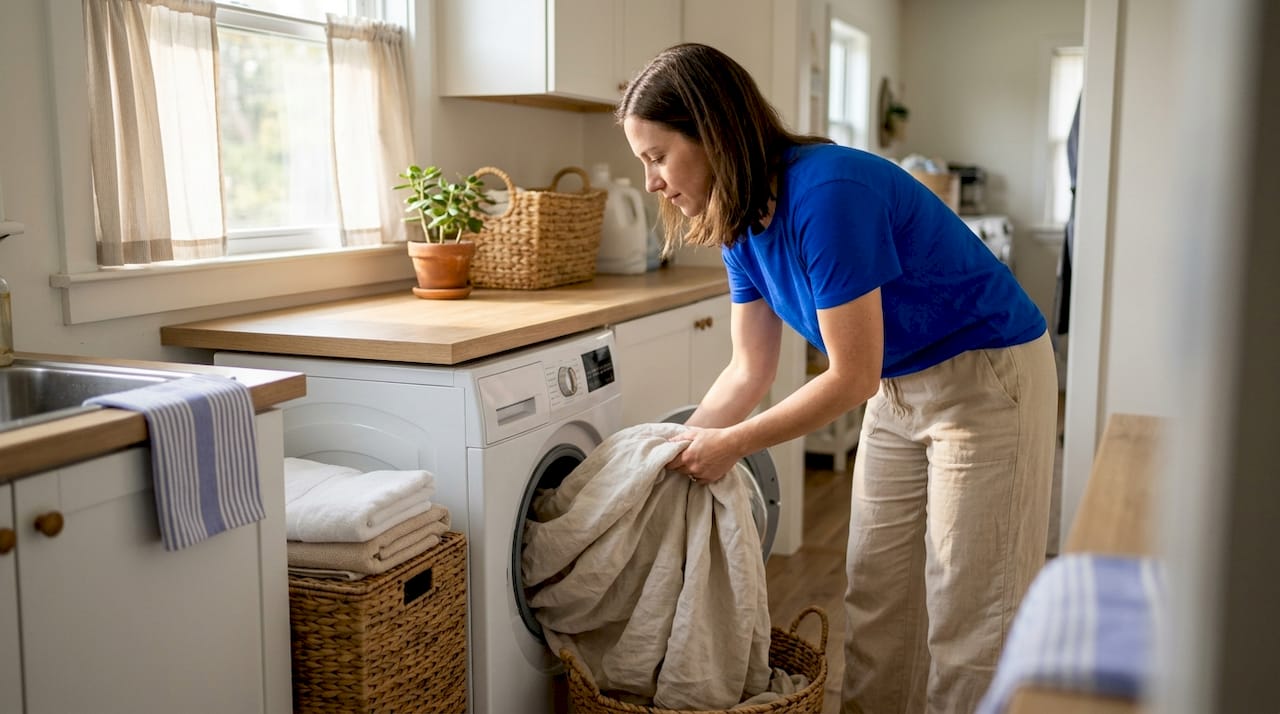
Columbia Pike Laundry offers pickup & delivery across Northern Virginia.
TL;DR:
- Proper linen care involves washing at recommended temperatures with mild, phosphate-free detergents and skipping softeners.
- Air drying slightly damp or low-heat tumble drying best preserves linen’s texture and longevity.
- Store linens in dry, breathable spaces away from humidity to prevent mildew and fiber damage.
Linen is one of the most satisfying fabrics to own, but it can also be one of the most frustrating to maintain. In Arlington, where muggy summers and busy schedules collide, even well-intentioned homeowners find their linens going stiff, faded, or musty faster than expected. Most people are missing just one or two key steps in their routine, whether that is washing at the wrong temperature, storing linens while still slightly damp, or reaching for the bleach when a gentler option would work better. This article gives you clear, practical, tested advice for every stage of linen care, from wash day to long-term storage, so your linens stay soft, bright, and genuinely fresh season after season.
Key Takeaways
| Point | Details |
|---|---|
| Use gentle washing settings | Wash linen in cool or warm water with mild, phosphate-free detergent to keep it soft and strong. |
| Dry smartly to protect fibers | Air dry while damp or use a low tumble; avoid overdrying and high heat to prevent wrinkles and damage. |
| Choose the right stain solutions | Treat stains with gentle, oxygen-based whiteners for white linen and avoid bleach on colored fabric. |
| Store with humidity in mind | Keep linens completely dry and store them in a cool, breathable location to stop mildew and odor. |
| Adapt care to your home | Follow care labels and adjust methods based on Arlington’s unique climate and your linen’s needs. |
Start with the right wash: Temperature, detergent, and softener choices
Getting the wash right is the single biggest factor in how long your linens last. Many people assume hotter is cleaner, but linen fibers actually weaken under high heat over time. For linen bedding, aim for about 40°C (roughly 104°F) for colored items and 60°C (about 140°F) for whites, use a mild phosphate-free detergent, and skip the fabric softener entirely.
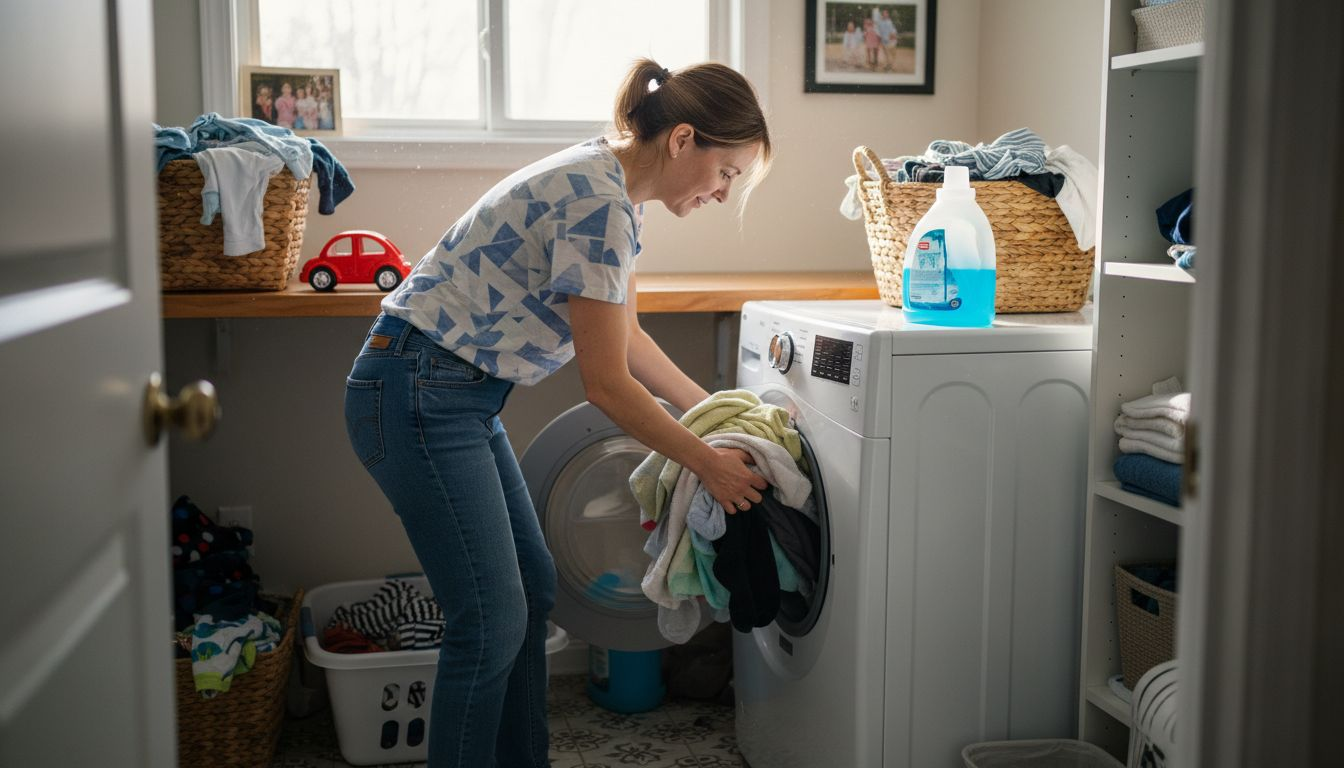
One mistake that shortens linen life faster than almost anything else is overloading the washer. Drum capacity matters a lot here. Keep the drum no more than half full when washing linen items, especially sheets and duvet covers. Linen needs room to move through the water freely. Cramming it in causes uneven cleaning and unnecessary friction that breaks down fibers over cycles.
Here is a quick guide to choosing detergent based on your linen type:
| Linen type | Recommended detergent | Wash temp | Fabric softener? |
|---|---|---|---|
| White bedding | Mild, phosphate-free | 60°C / 140°F | No |
| Colored bedding | Mild, phosphate-free | 40°C / 104°F | No |
| Delicate or antique | Gentle/fragrance-free | 30°C / 86°F | No |
| Everyday household | Standard mild formula | 40°C / 104°F | Optional, see below |
The fabric softener debate is real. Most linen care experts advise skipping it because softener leaves a waxy film on fibers that actually makes linen feel stiffer over time and reduces absorbency. That said, some people find that a small amount of softener helps reduce the initial stiffness of raw, unwashed linen. If you are working with caring for linen clothing or items that feel overly rough after washing, you might experiment with a small dose of softener once in a while rather than using it every wash.
Practicing sustainable laundry practices also matters here. Phosphate-free detergents are easier on fabrics and better for the local waterway system, which is a consideration many Arlington residents care about. Keep your laundry room cleaning tips in mind too, since a clean washer drum prevents detergent residue from transferring to your linens each cycle.
Key washing rules at a glance:
- Never wash above 60°C for any linen item
- Use half-drum capacity maximum for linen bedding
- Choose phosphate-free, mild formulas
- Avoid enzyme-heavy detergents on colored linens, which can strip dyes
- Always check care labels before the first wash
Pro Tip: Before the first wash of a new linen item, do a quick spot-test in an inconspicuous corner by dampening a small patch and pressing a white cloth against it. This will tell you if the dye is likely to bleed before it can stain your other linens or discolor during washing.
Dry like a pro: Air vs tumble, timing, and avoiding overdrying
Drying is where a lot of Arlington residents go wrong, especially during the humid summer months when hanging laundry outside can actually add moisture rather than remove it. The safest drying method for linen is to hang or air dry while the fabric is still slightly damp. This lets the fibers relax into shape without the heat stress of a dryer and produces that naturally crisp texture that high-quality linen is known for.
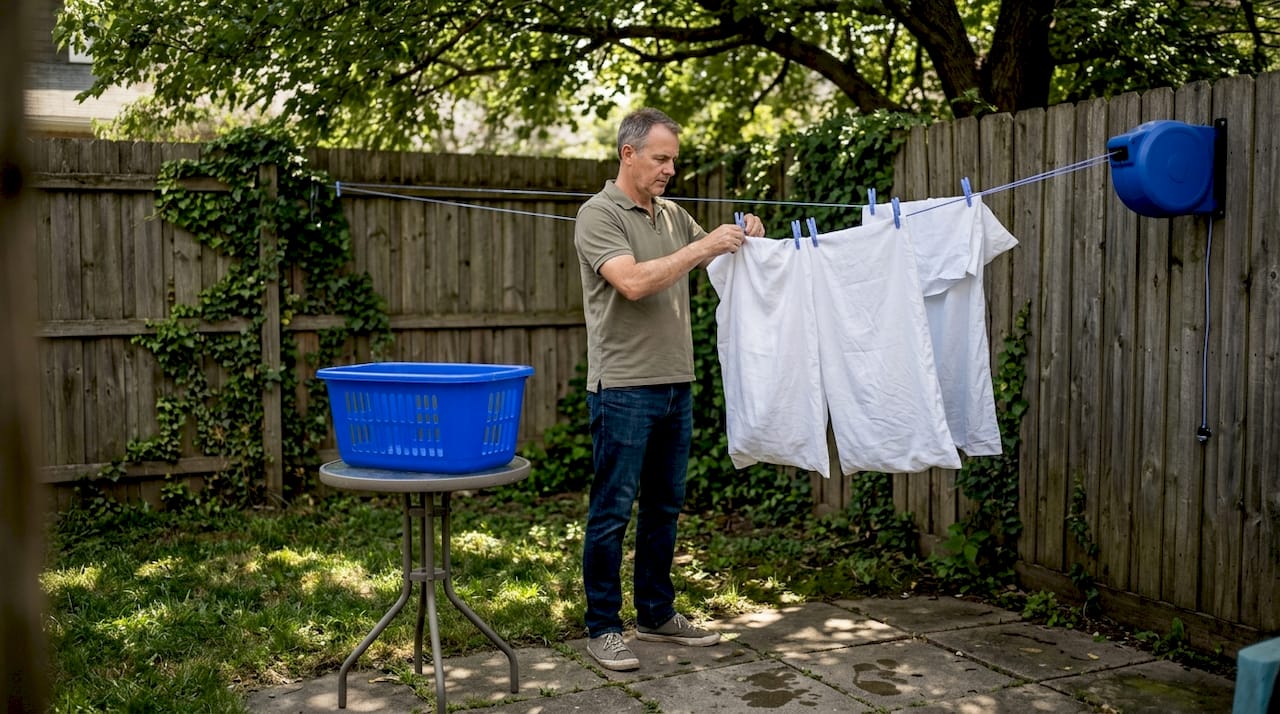
If you prefer tumble drying for speed, a low-to-medium heat setting is acceptable. What you want to avoid at all costs is high heat, which causes shrinkage, weakens fibers, and can make linen feel coarse and thin over time. Common linen-care mistakes include overdrying and mishandling linen while it is still wet, such as letting it sit crumpled in the drum after the cycle finishes.
Here is how the two main drying methods compare for Arlington households:
| Drying method | Texture result | Time required | Risk level | Best for |
|---|---|---|---|---|
| Air dry (slightly damp) | Crisp, natural feel | 2-4 hours | Low | Best texture and longevity |
| Tumble dry (low heat) | Softer, fluffier | 45-60 min | Medium | Convenience without major damage |
| Tumble dry (high heat) | Stiff or thin | 30-40 min | High | Not recommended |
| Outdoor line dry (dry day) | Crisp, sun-fresh | 1-3 hours | Low (if sunny) | Excellent when humidity is low |
Arlington summers bring serious humidity, which means outdoor line drying works best from late September through early May. During July and August, air drying indoors near a fan or using low-heat tumble drying is a smarter call. Always check dryer safety tips to make sure your appliance is running efficiently and not creating a fire hazard from lint buildup, which is more common with natural fibers like linen.
For busy households juggling work and family, the top laundry solutions that work for linen involve a combination of planning ahead and removing items from the dryer promptly. Even five extra minutes of heat exposure after the cycle ends can add unnecessary wear.
Drying best practices for Arlington homes:
- Remove from the washer as soon as the cycle ends
- Shake out each piece to smooth wrinkles before hanging or folding into the dryer
- Pull slightly into shape while still damp to reduce ironing later
- Set a timer if using the dryer so you pull items out before they fully dry
Pro Tip: Decide your drying method based on the texture you prefer. If you love that crisp, hotel-linen feel, air dry. If you prefer softer, more relaxed linen, tumble dry on low and fold immediately after removal.
Tackling stains and whitening: What really works on white and colored linen
Stains happen, but how you respond in the first few minutes makes all the difference. The most important rule is to act fast. The longer a stain sits, the deeper it bonds to linen fibers, which are highly absorbent by nature.
For white linen, oxygen-based bleach is the right choice for both stain removal and brightening. It works by releasing oxygen molecules that break apart stain compounds without weakening the fabric. Chlorine-based bleach, the kind most people reach for instinctively, degrades linen fibers and turns whites yellow over time rather than brighter. For colored linen, avoid all bleach options, as they strip dyes and create uneven patches.
“For white linen, choose oxygen-based whiteners over chlorine bleach. For colored linen, avoid bleach products that can strip dyes and damage the fabric’s natural finish.” — Eileen Fisher Care Journal
Here is a step-by-step process for treating a fresh stain on linen:
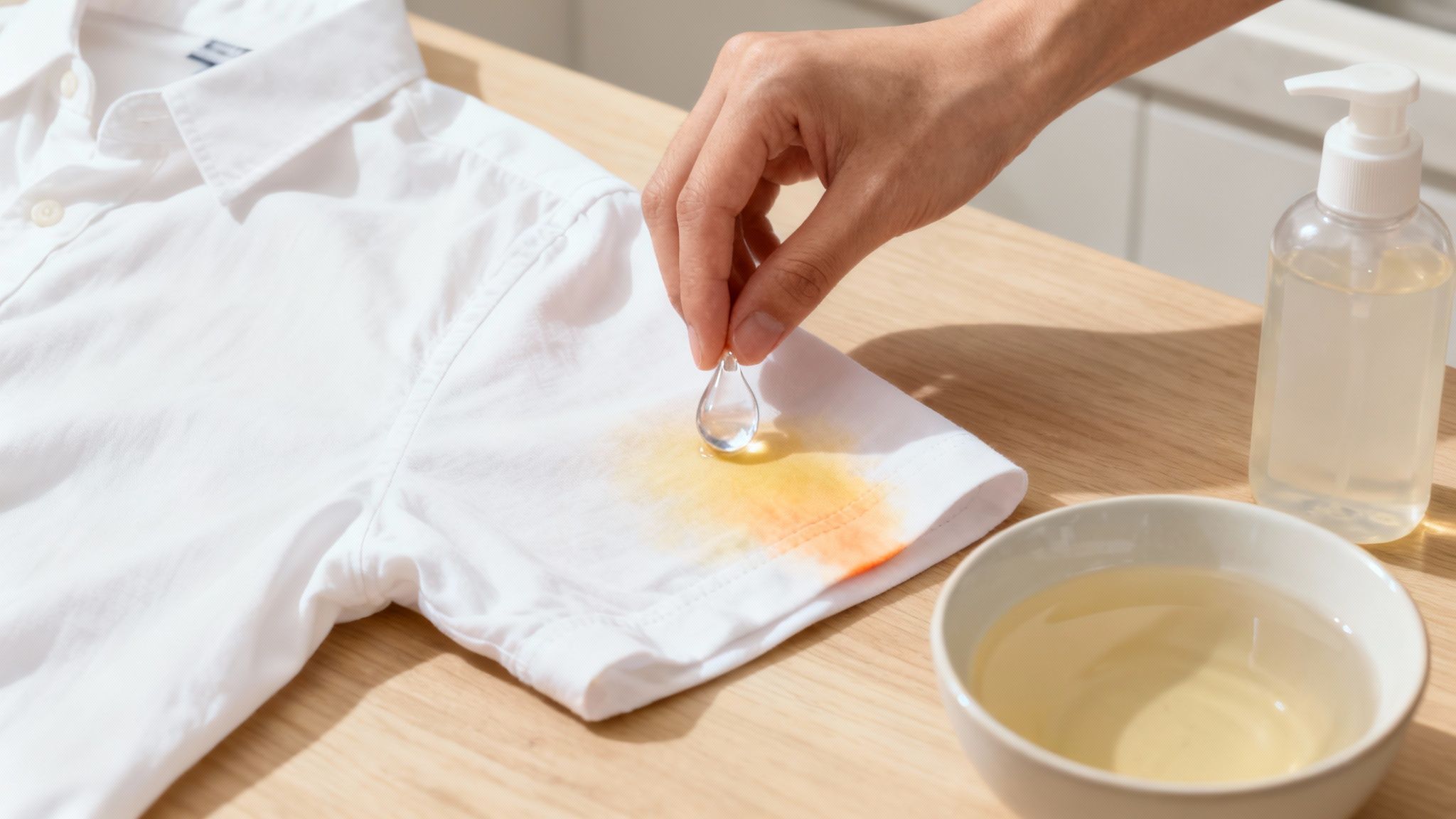
- Blot immediately. Use a clean white cloth to absorb as much of the stain as possible. Do not rub, which spreads the stain and pushes it deeper into fibers.
- Rinse with cold water. Run cold water through the back of the fabric to push the stain out rather than through.
- Apply a mild stain remover or oxygen-based solution. Let it sit for 10 to 15 minutes.
- Gently work the solution in. Use your fingertips or a soft brush with light circular motion.
- Wash as normal. Use the appropriate temperature for the color of your linen item.
- Check before drying. Never put a stained item in the dryer. Heat sets stains permanently. If the stain remains, repeat the treatment.
For Arlington professionals managing dress shirts, tablecloths, or guest room linens, laundry tips for professionals can help you build a repeatable routine that catches stains before they become permanent.
Smart storage: Keep linens fresh and protected in Arlington’s climate
Arlington’s climate creates a real storage challenge. Humidity spikes in summer and drops in winter, and that cycle is hard on stored linens. The most critical rule is to store linens completely dry. Even a hint of residual moisture is enough to trigger mildew growth within days, particularly in enclosed spaces like closets and linen cupboards.
Proper linen storage means choosing a cool, dry, dark location with good airflow. Avoid attics and basements, which see the most dramatic humidity swings in an Arlington home. Avoid exterior walls in your closets too, since those surfaces absorb outdoor temperature changes faster.
Storage habits that protect your linens:
- Store only when 100% dry, not just cool to the touch
- Choose interior closets over basement or attic shelving
- Avoid sealing linens in plastic bags or airtight containers, which trap moisture
- Fold neatly and loosely rather than compressing tightly
- Check stored linens every 4 to 6 weeks during summer humidity peaks
- Place a sachet of cedar or lavender nearby to deter pests and add freshness
Staying on top of organizing laundry and storage systems at home pays off enormously here. A well-organized linen closet means you rotate items regularly, which prevents any single piece from sitting untouched long enough for mildew or fiber degradation to begin.
Pro Tip: Instead of plastic bins or vacuum bags, store linens in breathable cotton pillowcases or fabric bags. They protect from dust without trapping moisture, and you can tuck them neatly on a shelf without worrying about humidity buildup.
Linen care shortcuts and mistakes: Comparison at a glance
Here is a consolidated view of the best practices versus the most common pitfalls across all stages of linen care:
| Care stage | Best practice | Common mistake |
|---|---|---|
| Washing | 40°C for colors, 60°C for whites; half drum | Full drum load; hot wash for all linen |
| Detergent | Mild, phosphate-free | Heavy enzyme or scented detergents |
| Fabric softener | Skip it or use sparingly | Adding softener every wash |
| Drying | Air dry slightly damp or low tumble | High heat tumble; leaving in drum crumpled |
| Stain treatment | Blot, rinse cold, oxygen bleach | Rubbing, hot rinse, chlorine bleach |
| Storage | Cool, dry, breathable, interior closet | Basement/attic; sealed plastic bags |
| Ironing | Medium heat, slightly damp | Over-ironing, dry iron on max heat |
Common linen-care mistakes that cause the most long-term damage include using fabric softener every wash, overdrying on high heat, and letting wet linen sit crumpled in the washer or dryer drum after cycles finish. These three habits alone account for the majority of premature linen wear and stiffness complaints.
Top mistakes Arlington homeowners make with linen:
- Ignoring care labels on first wash of new items
- Using the same temperature for all linen regardless of color
- Forgetting to check stored linens during summer humidity spikes
- Using chlorine bleach to brighten yellowing whites
- Skipping the pre-wash on new linen before putting it on the bed
For a more efficient home laundry routine that works with rather than against your linen, scheduling wash days and building a quick check habit into your storage routine will save you money and frustration.
A local’s take: What most linen care guides overlook in Arlington
Most linen care guides are written for a generic household in a climate-controlled environment. They do not account for the reality of living in Arlington, where summer humidity can sit above 80% for weeks at a time, where older apartment buildings may have limited closet ventilation, and where a busy household often means laundry sits in the dryer an hour longer than intended.
The fabric softener debate is a perfect example of how general advice can mislead. Some sources, including laundry experts, recommend fabric softener to reduce stiffness and protect natural fibers in linen sheets. Others argue firmly against it, citing residue buildup. The honest answer is that it depends on your water hardness, your washing machine, and your own texture preferences. In Arlington’s water supply, which tends toward moderate hardness, occasional softener use is unlikely to ruin your linens. Daily use probably will.
The real lesson here is that linen care is not one-size-fits-all. Read the care label first, test your specific items, and adapt the standard advice to your actual home setup. If you pull linens out of summer storage and notice that musty smell despite following all the rules, check whether your interior closet has an exterior wall or shares space with a bathroom. Those micro-environments matter more than most guides admit.
Preventive care beats reactive fixes every time. Checking on stored linens once a month takes two minutes and saves you from discovering mildew damage in October. Washing linen before storing it for the season removes body oils and allergens that attract pests and degrade fibers over months. Small habits, repeated consistently, are what separate linens that last a decade from ones that feel worn out after two years.
For families juggling demanding schedules, building time-saving laundry protocols into your weekly routine makes consistent care realistic rather than aspirational.
Keep your linens perfect: Get reliable help when you need it
Even with the best home routine, there are times when professional care is simply the smarter choice. Heavy duvet inserts, antique tablecloths, delicate linen clothing, or a full household’s worth of bedding after a busy week are all situations where a trusted local service removes the friction entirely. At Columbia Pike Laundry, we handle linen with the same attention you would give it yourself, using in-house cleaning so you always know who is caring for your items. We support custom preferences like fragrance-free detergents and specific folding instructions. Scheduling is simple through our app, and standard turnaround is 48 hours. Learn exactly how our laundry service works and see how easy it is to get your linens returned fresh, pressed, and ready to use.
Frequently asked questions
How often should you wash linen bedding?
Wash linen bedding every one to two weeks for regular freshness, adjusting more frequently during hot months or if you sweat heavily at night.
Is it safe to iron linen, and what’s the best temperature?
Linen can be ironed while slightly damp at a medium-hot setting; avoid maximum heat or a completely dry surface, as over-ironing increases wear and weakens fibers over time.
What should I do if my linen shrinks after washing?
Most linen shrinks a little, especially after the first wash, so expect some size change with raw linen and consider buying pre-washed items or sizing up slightly to account for it.
Can linen be stored in a closet on an exterior wall?
It is best to avoid exterior wall closets for linen storage, since humidity and temperature fluctuations in those spaces create conditions that promote mildew and musty odors.
Can I use regular detergent and softener on linen?
Use a mild, phosphate-free detergent and skip fabric softener in most cases, as softener leaves a residue that reduces linen’s natural absorbency and can make fibers feel heavier over time.
Free pickup, expert care, delivered back to your door.
Popular Blog Articles


Meet the Author
Daniel Logan didn’t start CPL because he loved laundry. He started it because his family was drowning in time debt, and laundry was one of the biggest weights.
Mornings were chaos with two kids under 5. Evenings felt like catch-up. And weekends? Gone to sorting socks and folding piles.
He knew his story wasn’t unique. So he built a business that gave families like his just a little bit of breathing room one load at a time.
With no laundry experience but deep tech skills, Daniel rolled up his sleeves, doing every job himself while building systems that turned it into a modern laundry service that saves customers time, simplifies their lives, and delivers reliability they can count on.
That’s where CPL began. Not from a playbook, but from pain. From one dad trying to buy back time: for himself, and for every household like his.
Free pickup, expert care, delivered back to your door.