
Step by Step Laundry Process: A Beginner's Guide

Columbia Pike Laundry offers pickup & delivery across Northern Virginia.
TL;DR:
- Most people learn laundry through trial and error, but understanding proper sorting and care labels can significantly improve results. Preparing supplies and reading garment labels before washing helps prevent damage, color bleeding, and shrinkage, ultimately prolonging clothing lifespan. Following a consistent routine of sorting, pretreating stains, and folding immediately after drying ensures clothes stay fresh, wrinkle-free, and maintain their quality over time.
Most people learn laundry by trial and error. A shrunken sweater here, a pink shirt that used to be white there. The step by step laundry process is actually straightforward once you understand the logic behind each phase. Get it right, and your clothes last longer, look better, and smell fresh every time. This guide breaks the entire laundry routine into clear, manageable steps, from reading care labels before you even load the washer to folding techniques that prevent wrinkles from forming in the first place.
Key takeaways
| Point | Details |
|---|---|
| Sort before you start | Separate clothes by color and fabric type to prevent color bleeding and fabric damage. |
| Pretreat stains immediately | Treating stains before washing significantly improves removal and prevents permanent setting. |
| Match settings to fabric | Water temperature and cycle selection protect fabric integrity and improve cleaning results. |
| Fold promptly after drying | Removing clothes right after the dryer stops prevents wrinkles and reduces ironing time. |
| Read every care label | Care labels tell you exactly how to wash, dry, and store each garment without guessing. |
The step by step laundry process starts before the washer
The biggest laundry mistakes happen before a single garment touches water. Preparation is where the laundry process step by step actually begins, and skipping it costs you time, money, and ruined clothes.
What you need on hand
Before you start, gather your supplies. Having everything ready keeps the process moving without interruptions.
- Laundry detergent (liquid, powder, or pods)
- Stain remover or pretreatment spray
- Fabric softener or white vinegar as a natural alternative
- Mesh laundry bags for delicates
- Separate hampers or baskets for sorting
Mesh bags protect delicates from snags and damage during machine washing cycles. If you wash anything lacy, silky, or prone to tangling, this is a non-negotiable tool.
Reading care labels the right way
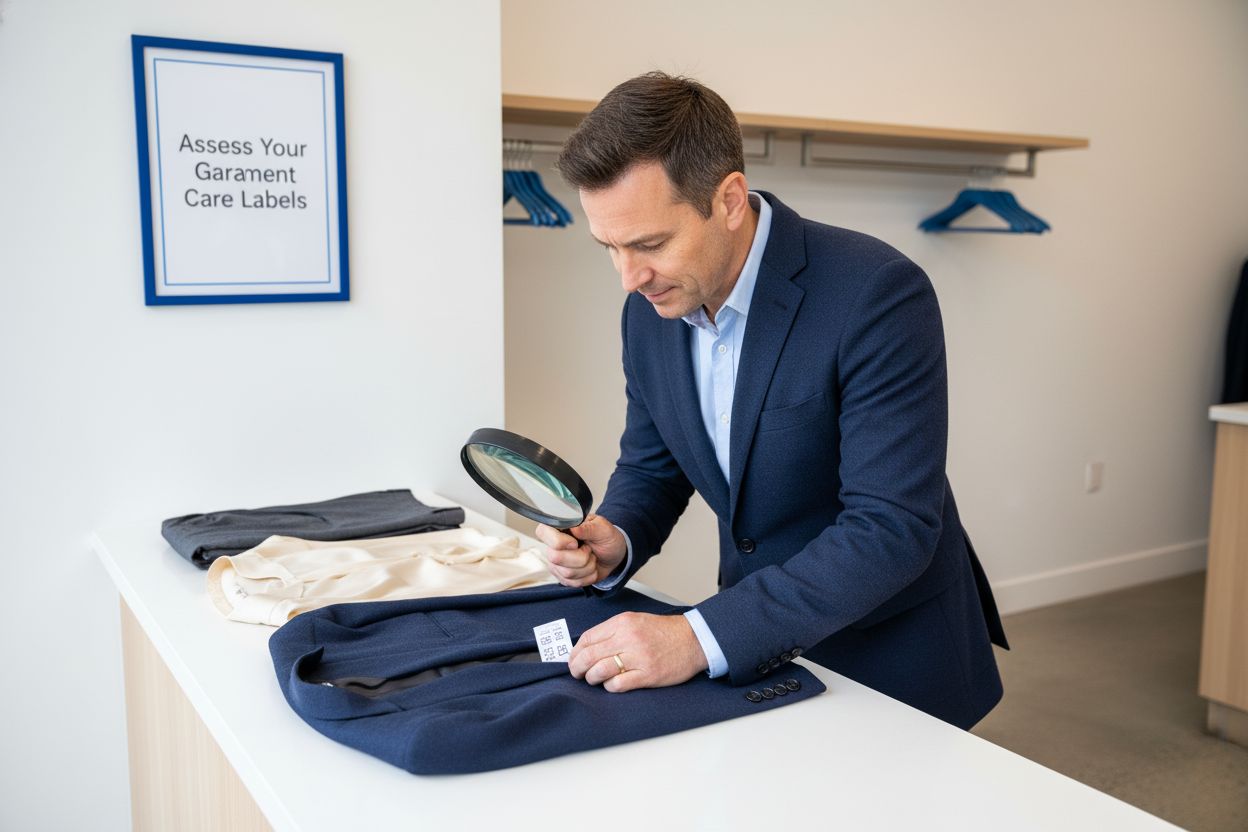
Every garment ships with a care label, and most people ignore it until something goes wrong. Laundry expert Mary Gagliardi notes that checking care labels at the point of purchase helps you avoid high-maintenance items and plan your washing routine accordingly.

The symbols tell you the maximum wash temperature, whether machine washing is safe, if the item needs air drying, and whether ironing is allowed. If you see a hand in a tub, hand wash only. A triangle means bleach instructions apply. A square with a circle inside is dryer guidance. Take 30 seconds to read these before assuming.
Sorting clothes correctly
| Pile | What Goes In | Why It Matters |
|---|---|---|
| Whites | White shirts, underwear, socks, light linens | Can be washed hot without color risk; brighteners work best here. |
| Darks | Black, navy, dark gray, dark denim | Cold water prevents fading; these bleed dye onto lighter items. |
| Colors | Reds, blues, greens, mixed prints | Medium or cool water; keeps colors vibrant without bleeding. |
| Delicates | Silk, lace, wool, embellished items | Need a gentle cycle or hand washing to prevent damage. |
| Heavy items | Towels, jeans, sweatshirts, bedding | Washed separately so lighter items aren't damaged by friction. |
The standard laundry process recommended by the American Cleaning Institute starts with exactly this kind of sorting. Using divided hampers in your bedroom or bathroom makes this automatic. You sort as you undress, so by laundry day, the work is already done.
Pro Tip: Put a small mesh bag directly inside your hamper for delicates. When laundry day arrives, they’re already separated and ready to go.
How to wash clothes: loading, treating, and setting the machine
Now the hands-on part. This is where most people either overcomplicate things or skip steps that actually matter.
-
Check every pocket. Tissues, receipts, coins, and lip balm destroy clothes and machines. Make this a non-negotiable first step before anything goes in the washer.
-
Pretreat stains before loading. The ACI confirms that treating stains immediately before drying dramatically increases removal success. Apply stain remover directly to the spot, gently work it into the fibers with your finger or a soft brush, and let it sit for at least five minutes. Do not rub aggressively. That spreads the stain and damages the fibers. For a detailed breakdown of stain-specific techniques, the Arlington stain removal guide covers everything from grass to grease.
-
Measure your detergent properly. More detergent does not mean cleaner clothes. It means residue left on fabrics, which attracts more dirt and can irritate skin. Follow the measuring line on the cap or the pod instructions. For high-efficiency (HE) machines, use only HE-labeled detergent. It produces less suds and rinses cleanly.
-
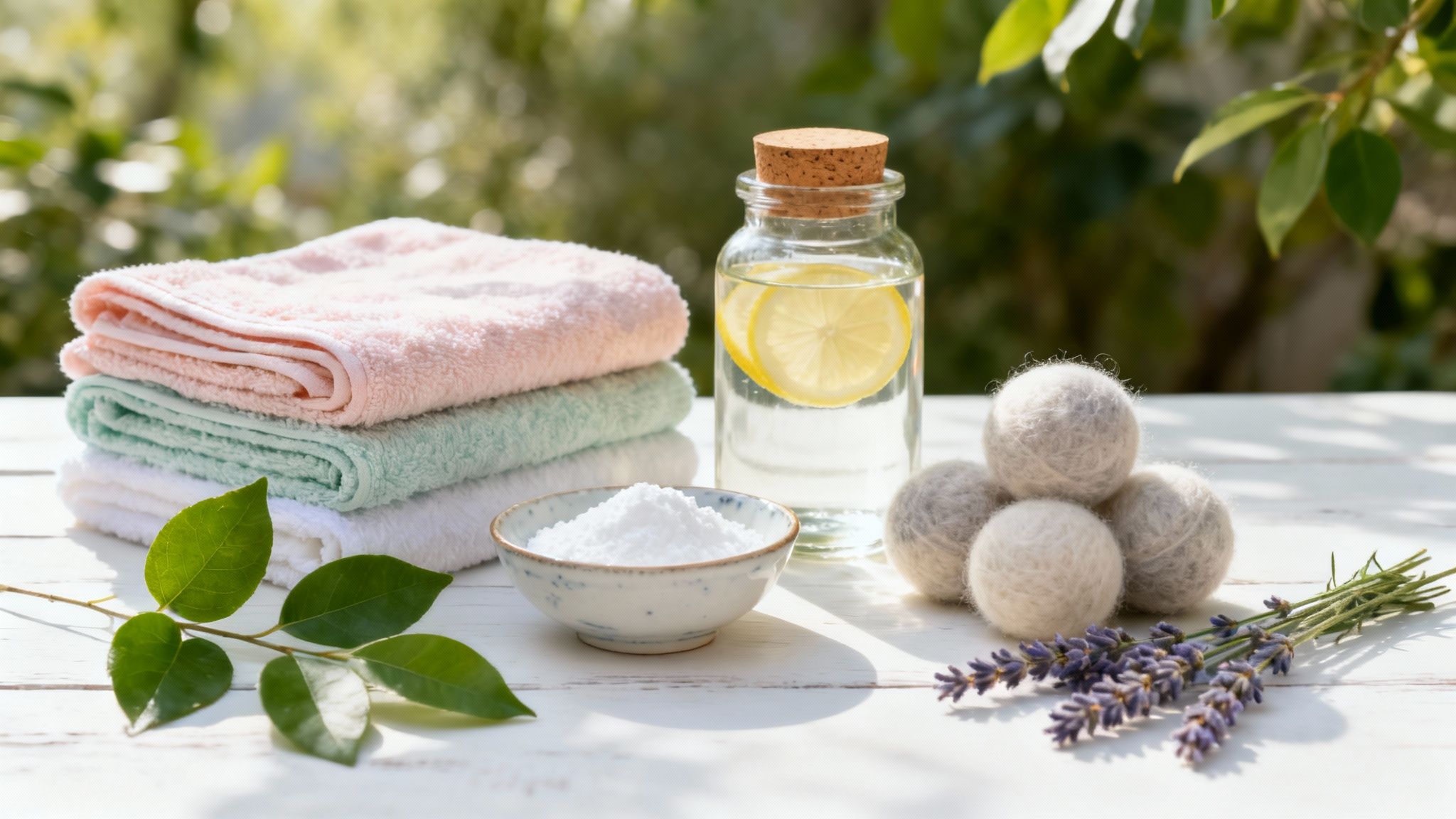
Add boosters and softeners in the right compartments. Most washers have separate compartments for detergent, fabric softener, and pre-wash treatments. Fabric softener goes in the designated dispenser, not directly on clothes. Skip softener on towels entirely. Fabric softener leaves a waxy coating that reduces their absorbency over time. White vinegar in the softener compartment is a natural alternative that keeps towels fluffy without any buildup.
-
Load the machine without overpacking. Clothes need room to move freely inside the drum. Overloading the washer reduces cleaning effectiveness and stresses the motor. Fill the drum about three-quarters full as a general rule.
-
Select the right cycle and water temperature. Cold water works for colors, darks, and lightly soiled everyday items. Hot water is for whites, heavily soiled loads, and items that need sanitizing like kitchen towels or sick-room bedding. Cold water for colors and hot for whites is the reliable starting rule when in doubt. Use the delicate cycle for anything fragile, and the heavy-duty cycle for thick fabrics like jeans and towels.
Pro Tip: Turn dark jeans and brightly colored shirts inside out before washing. This simple step significantly reduces fading caused by friction against the drum.
Drying, folding, and finishing the laundry process
Getting clothes clean is half the job. How you dry and store them determines whether they look great or end up wrinkled and misshapen.
Dryer basics
- Clean the lint filter before every single load. A clogged filter is a fire hazard and makes your dryer work harder, which shortens its life and your clothes’ life.
- Do not overload the dryer any more than you’d overload the washer. Clothes need space to tumble freely for even, efficient drying.
- Use low heat for delicates, synthetics, and anything with elastic. High heat warps elastic, shrinks natural fibers, and weakens fabric over time.
- Use medium or high heat only for cotton towels, denim, and heavy bedding.
- Add dryer balls (wool or rubber) to reduce static and cut drying time. They work by separating fabrics so hot air circulates more effectively.
Air drying the right way
Some fabrics should never see the inside of a dryer. Wool, silk, rayon, and structured garments like blazers all need to be air dried. Lay them flat on a clean towel or drying rack to keep their shape. Hanging knit items stretches them out at the shoulders. Lay flat, always.
For everyday cotton items, air drying works fine too, though it takes longer. Shake each item firmly before hanging to reduce wrinkles. Hang shirts from the bottom hem, not the shoulders, to prevent hanger marks.
Folding and storing promptly
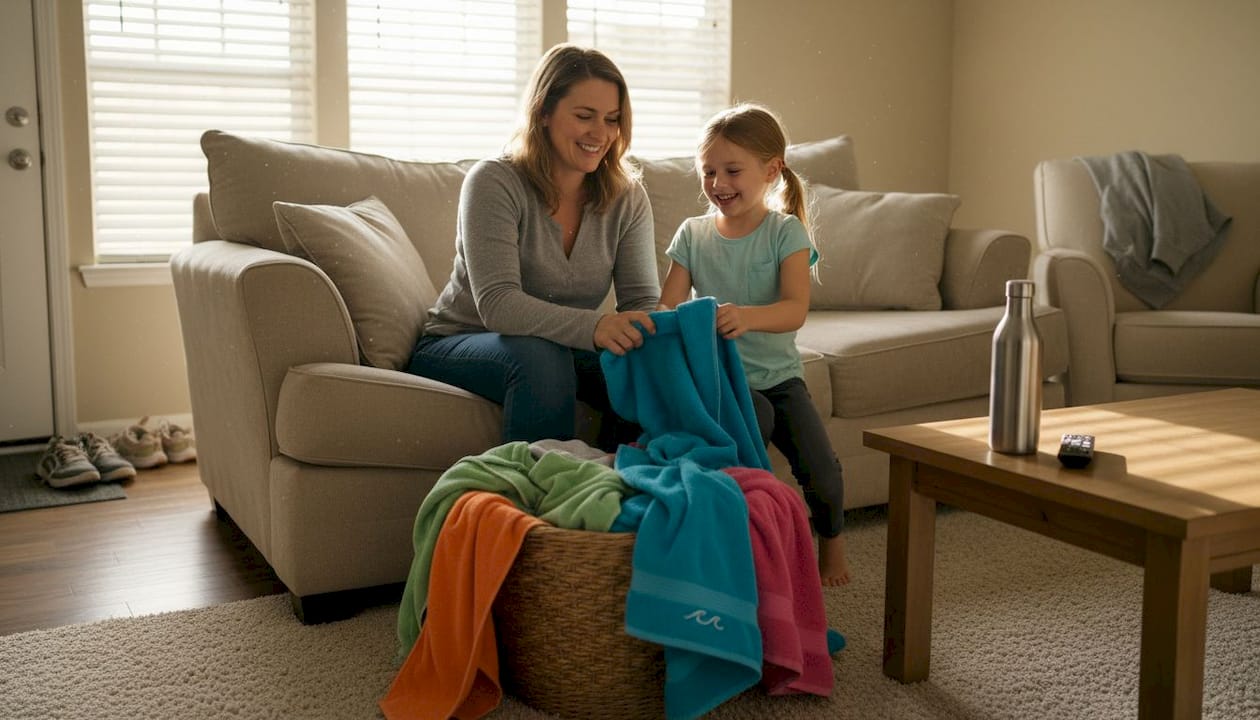
Folding laundry right after drying prevents wrinkles from setting and saves you ironing time later. The window is small. Leave clothes in the dryer for more than 20 minutes after it stops, and wrinkles become much harder to shake out.
For a full breakdown of folding methods that keep your closet organized and your clothes looking pressed, the folding techniques guide walks through everything from the ranger roll to the classic fold.
Pro Tip: If you cannot fold immediately, restart the dryer for five minutes on low heat. It refreshes the load and buys you time without damaging fabrics.
Store folded clothes promptly. Leaving clean laundry piled on a chair or bed exposes it to dust, pet hair, and new wrinkles. Put it away the same day you wash it.
Common laundry mistakes and how to fix them
Even experienced people run into problems. These are the most common ones, along with what actually fixes them.
- Using too much detergent. Excess detergent builds up on fabric fibers, leaving clothes stiff and dingy over time. If your clothes feel coated or your whites look gray, run an extra rinse cycle with no detergent to clear residue. Learn more about fixing detergent residue on clothes.
- Ignoring care labels. A cashmere sweater washed on the regular cycle shrinks. A dry-clean-only blazer washed at home loses its structure. Once fabric is damaged this way, it’s rarely fixable.
- Waiting to treat stains. Heat sets stains permanently. If a stained item goes through the dryer before the stain is treated, that stain is likely there to stay. Always check for stains before drying.
- Mixing heavily soiled with lightly soiled clothes. Soil transfers between items in the wash. A muddy pair of jeans will dirty a lightly worn blouse in the same load.
- Washing jeans too frequently. Experts recommend washing jeans after 4 to 5 wears to prevent denim fading and fiber breakdown. Spot clean between washes instead.
| Problem | Cause | Fix |
|---|---|---|
| Color bleeding | New or dark items washed with light ones | Wash new items separately first; use cold water for mixed loads. |
| Shrinking | High heat on natural fibers like cotton or wool | Air dry or use low heat; check labels for heat limits. |
| Fading colors | Hot water, overdrying, or harsh detergent | Cold wash, inside out, gentle detergent, and line dry. |
| Stiff towels | Fabric softener buildup or over-drying | Skip softener; use vinegar rinse; remove from dryer while slightly damp. |
| Persistent odor | Clothes left wet in the washer too long | Rewash with baking soda and dry immediately after the cycle ends. |
Fabric care scientist Kim Romine points out that regular washing maintains fabric integrity not just for cleanliness, but by removing abrasive soil buildup that damages fibers over time. This means consistent laundry habits, done right, actually extend the life of your clothes.
My honest take on getting laundry right
I’ll be direct: the turning point for me was slowing down at the beginning instead of the end. I used to rush through sorting, skip care labels, and pile everything into one load. Then I’d spend time dealing with ruined clothes, re-washing loads, and ironing things that should have come out wrinkle-free.
What actually changed my results was treating the prep phase as the most important part. Sorting properly and reading labels takes maybe five extra minutes per load. That small investment eliminates the downstream problems. A shrunken shirt or a color-bled load costs far more time and money than five minutes of sorting ever would.
The other thing I’ve come to believe strongly: folding matters more than people think. Not for aesthetics, but for practicality. When you fold immediately, your clothes are done. When you don’t, you create a second task that never feels urgent but always takes longer than expected.
For beginners especially: consistency beats perfection. You don’t need to memorize every care symbol or get every setting perfect from day one. Follow the core steps, stay consistent, and your results will improve every single time.
— Daniel
Let Columbiapikelaundry handle the hard part
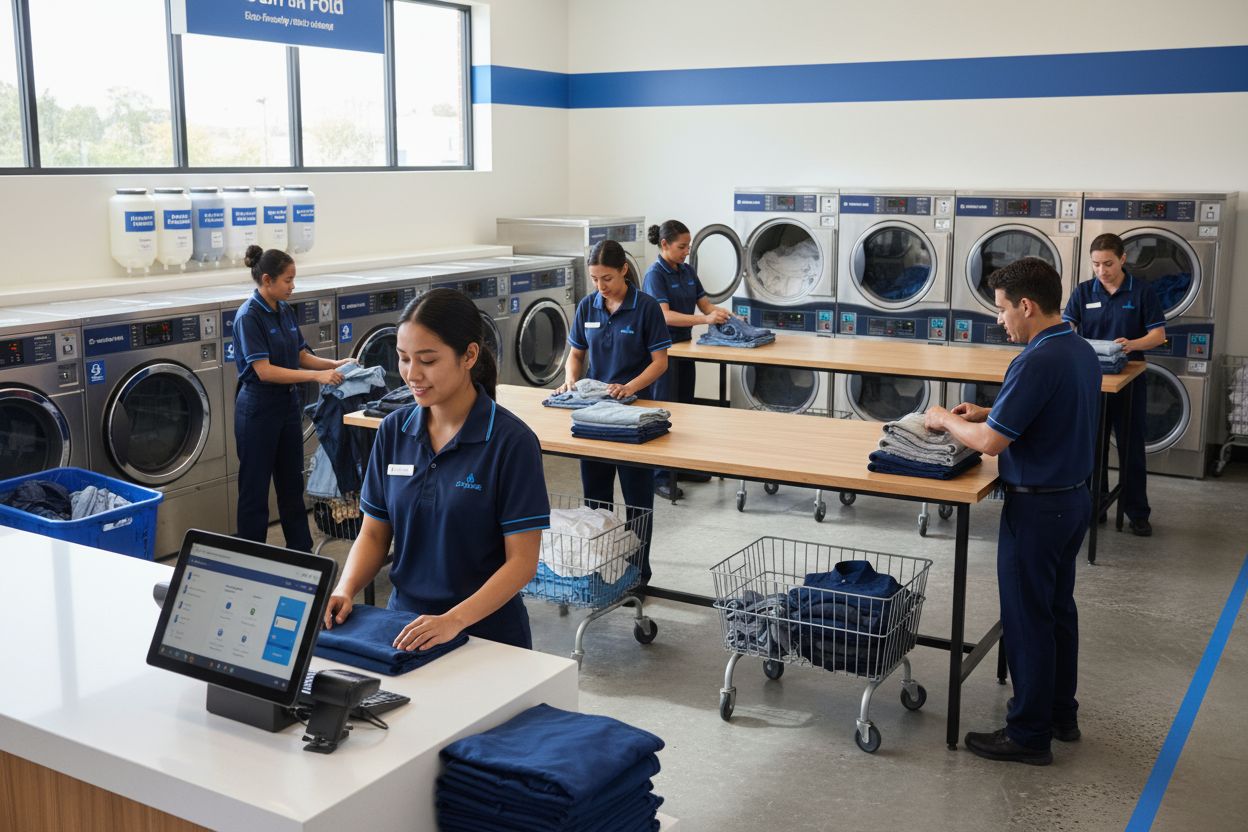
If following a complete laundry checklist sounds like more than you want to add to your week, that’s exactly what Columbiapikelaundry is built for. The easy 3-step service lets you schedule a pickup, have your laundry professionally cleaned in-house in Arlington, Virginia, and get it returned folded and ready to wear within 48 hours. Every load gets proper stain pretreatment, fabric-appropriate washing, and careful folding, done by the same team, every time. You can set custom preferences like fragrance-free detergent or specific folding instructions directly through the app. No guesswork, no ruined clothes, no lost evenings.
FAQ
What is the correct order of the laundry steps?
The standard laundry process covers six core steps: sort by color and fabric, pretreat stains, select and measure detergent, choose washer settings, dry correctly, and fold promptly. The American Cleaning Institute recommends completing all steps in one cycle for the best results.

What water temperature should I use for laundry?
Use cold water for colors, darks, and lightly soiled clothes. Use hot water for whites, heavily soiled items, and anything that needs sanitizing. Water temperature should match the fabric type and soil level listed on the care label.
How do I stop colors from bleeding in the wash?
Wash new or dark items separately for the first few washes and always use cold water for mixed color loads. Sorting clothes correctly before washing is the most reliable prevention.
How often should I wash towels and jeans?
Towels should be washed every 3 to 4 uses to prevent bacteria buildup. Jeans hold up best when washed only after 4 to 5 wears, as frequent washing causes fading and fiber breakdown.
Can I use fabric softener on all clothes?
No. Skip fabric softener on towels and moisture-wicking sportswear. It leaves a waxy coating that reduces absorbency and performance. White vinegar in the softener dispenser works as a natural alternative without the buildup.
Free pickup, expert care, delivered back to your door.
Popular Blog Articles


Meet the Author
Daniel Logan didn’t start CPL because he loved laundry. He started it because his family was drowning in time debt, and laundry was one of the biggest weights.
Mornings were chaos with two kids under 5. Evenings felt like catch-up. And weekends? Gone to sorting socks and folding piles.
He knew his story wasn’t unique. So he built a business that gave families like his just a little bit of breathing room one load at a time.
With no laundry experience but deep tech skills, Daniel rolled up his sleeves, doing every job himself while building systems that turned it into a modern laundry service that saves customers time, simplifies their lives, and delivers reliability they can count on.
That’s where CPL began. Not from a playbook, but from pain. From one dad trying to buy back time: for himself, and for every household like his.
Free pickup, expert care, delivered back to your door.