
What Are Delicate Fabrics and Why Proper Care Matters
Columbia Pike Laundry offers pickup & delivery across Northern Virginia.
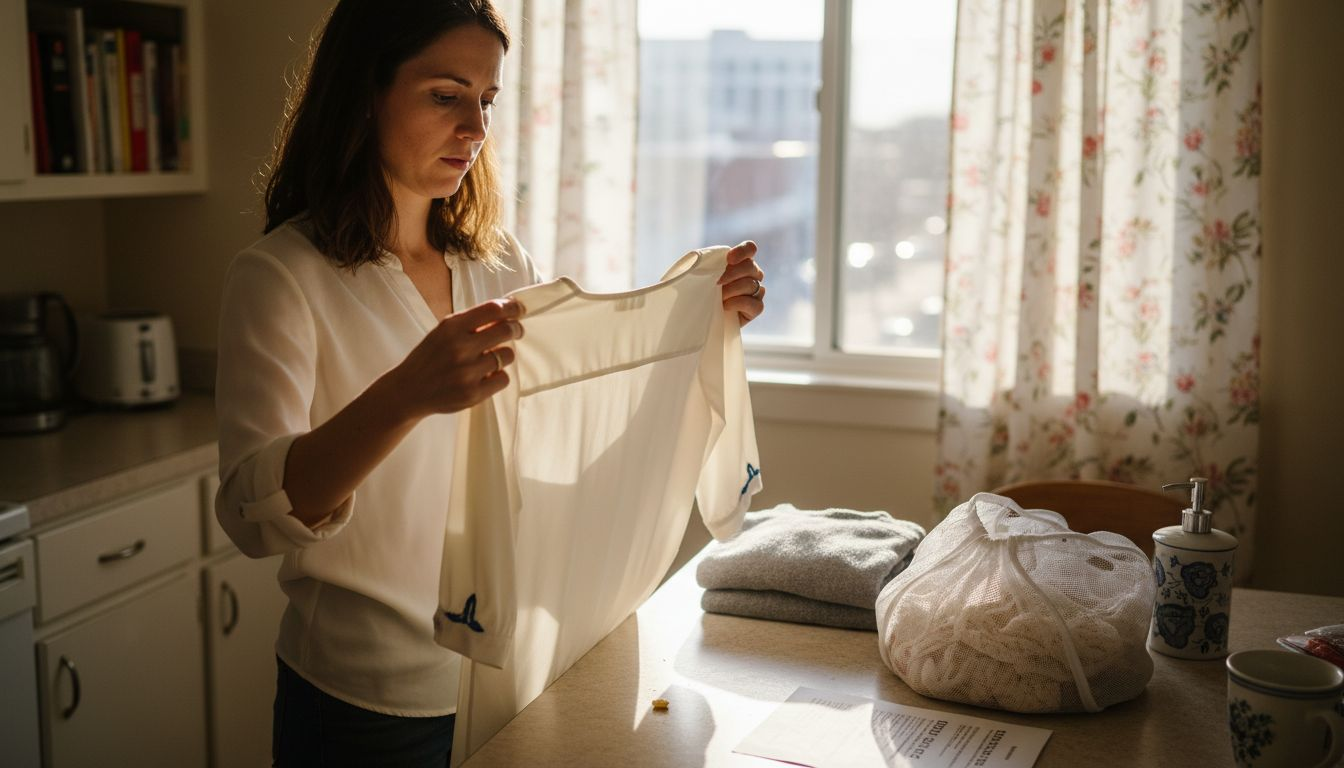
Every Arlington mother knows the frustration of discovering a favorite silk blouse or cashmere sweater ruined after laundry. Managing delicate fabrics is a constant balancing act when your family’s wardrobe includes items that are lighter, more flexible, and—according to research—prone to damage from regular washing. This guide helps you sort fact from fiction so your cherished garments stay beautiful, all while making laundry day less stressful and more reliable.
Key Takeaways
| Point | Details |
|---|---|
| Understanding Fabric Delicacy | Delicate fabrics like silk and lace require specialized care due to their sensitivity to moisture and mechanical stress. Different types of delicate fabrics demand distinct cleaning methods to avoid damage. |
| Professional Care Benefits | Professional laundering is often necessary, as it provides expertise and equipment that safeguard delicate garments better than home washing. This approach enhances the longevity of your cherished items. |
| Importance of Temperature and Detergents | Cold water is crucial for washing delicate fabrics, preventing shrinkage and fiber damage. Use mild, pH-balanced detergents specifically formulated for delicate care. |
| Avoiding Common Mistakes | Avoid mixing delicate items with regular laundry and skipping mesh bags, as these practices lead to damage. Following care labels and limiting washing frequency also helps maintain fabric integrity. |
Defining Delicate Fabrics and Common Myths
Delicate fabrics need special attention during laundry, but most people have no idea what actually makes them delicate. Understanding the difference between actual care requirements and laundry myths can save your favorite garments from damage.
What Makes a Fabric Delicate?
Delicate fabrics share specific characteristics that make them vulnerable during cleaning. They are lighter in weight, more flexible and pliable than sturdy materials, and prone to damage from regular washing or mechanical stress.
Common delicate fabrics include:
- Silk (especially embroidered varieties)
- Cashmere and wool
- Chiffon and georgette
- Organza and tulle
- Lace and delicate cotton blends
Each of these requires gentler handling than standard cotton t-shirts or jeans.
The Chemistry Behind Delicate Fabrics
Fabrics are constructed from long polymer molecules called fibers, and natural delicate fibers like silk, wool, and cashmere have unique chemical properties that affect how they respond to heat, moisture, and mechanical stress.
Unlike sturdy synthetics, these natural fibers are inherently sensitive to aggressive washing. Their molecular structure makes them prone to felting, stretching, or losing shape when exposed to heat or friction.
Understanding what your fabric is made of explains why your grandmother’s hand-washing method wasn’t just tradition—it was chemistry.
Myth #1: All Delicate Fabrics Need the Same Care
This isn’t true. Silk requires different care than cashmere, and lace needs a different approach than chiffon. One setting doesn’t fit all delicate garments.
Arlington mothers know this struggle: tossing everything “delicate” into a mesh bag and hoping for the best doesn’t work.
Myth #2: Delicate Wash Cycles Are Just Gentler Spinning
The delicate cycle does more than just spin slowly. It reduces agitation, uses shorter wash times, and often requires cooler water temperatures to protect fiber integrity. Understanding when to use a delicate wash helps you make informed choices about home laundry versus professional care.
Myth #3: You Can Wash Delicate Fabrics at Home Safely
While home washing is possible for some delicate items, many require professional care. Dry cleaning expertise, specialized equipment, and professional-grade detergents provide protection that household machines cannot match.
Silk blouses, delicate laces, and embroidered garments often benefit from professional handling. This is especially true for pieces you want to last for years.
The Real Reason Professional Care Matters
At Columbia Pike Laundry, delicate fabric care means in-house handling by professionals who understand fiber chemistry, not outsourced processing. We control every step—from inspection to cleaning to pressing—ensuring your garments get the specific treatment they need.
Busy Arlington parents don’t have time to research fabric care instructions for every piece. Our pickup and delivery service means you simply drop off delicate items and receive them back clean, pressed, and ready to wear within 48 hours.
Pro tip: Start a simple system for your delicate fabrics—bag them separately from regular laundry and photograph care labels so you remember which pieces need professional cleaning.
Popular Types of Delicate Fabrics Explained
Not all delicate fabrics are created equal. Each type requires different care approaches based on its structure, fiber content, and how it was constructed. Knowing what you’re dealing with makes all the difference when deciding between home washing and professional cleaning.
Silk: The Luxury Fabric
Silk is prized for its smooth texture and natural sheen, but it’s also one of the most delicate materials in your closet. It loses strength when wet and can develop permanent water marks if dried incorrectly.
Silk items include:
- Blouses and camisoles
- Scarves and pillowcases
- Embroidered garments
- Lingerie and sleepwear
Embroidered silk requires extra caution because the thread work adds stress points where fabric tears easily.
Lace: Delicate and Detailed
Lace comes in two main construction types: needle lace (made by hand) and bobbin lace (made on a loom). Both feature open structures that catch on things and snag during washing.
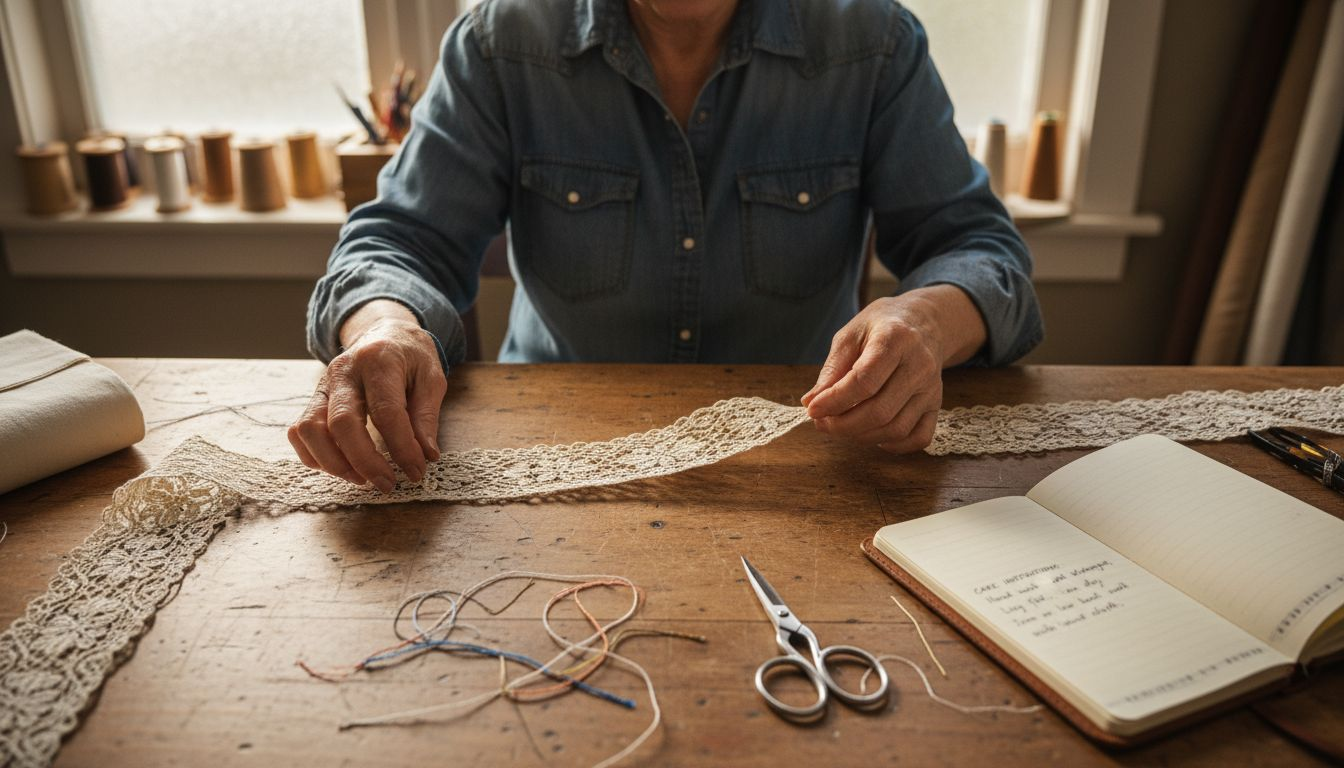
Lace appears in wedding dresses, vintage garments, and delicate undergarments. The open weave is beautiful but extremely vulnerable to abrasion and pulling.
Cashmere and Wool Blends
Cashmere is one of the softest materials available, but it felts easily when exposed to heat and friction. Regular wool blends share this vulnerability, especially fine-gauge knits.
These fabrics need cold water, gentle agitation, and careful drying to maintain shape. Heat and mechanical stress cause permanent damage that can’t be reversed.
Sheer Fabrics: Chiffon, Georgette, and Organza
Fine yarns and loosely woven structures characterize sheer delicate fabrics like chiffon, georgette, and organza. These create elegant, flowing garments but tear easily under stress.
Chiffon is the most fragile, while georgette offers slightly more durability. Organza has a crisp feel but maintains delicate fiber construction.
Here’s how popular delicate fabrics differ in their care needs:
| Fabric Type | Major Cleaning Risk | Best Home Method | Professional Advantage |
|---|---|---|---|
| Silk | Water spots, weakening | Hand wash cold, air dry | Prevents water marks/shrinking |
| Cashmere & Wool | Felting, shrinking | Gentle wash cold, flat dry | Maintains softness and shape |
| Lace | Snagging, tearing | Pillowcase/machine bag | Protects openwork structures |
| Chiffon/Georgette | Ripping, distorting shape | Hand wash, gentle spin | Preserves drape and surface |
| Tulle/Organza | Snags, crushing | Lay flat to dry | Keeps crispness and netting safe |
Tulle and Specialty Fabrics
Tulle is a net-like fabric used in tutus, veils, and formal gowns. It snags on jewelry, buttons, and rough surfaces. Specialty fabrics like velvet, velveteen, and corduroy also require gentle handling because their pile construction flattens under pressure.
Each fabric type has specific weaknesses: silk hates water marks, cashmere fears felting, lace dreads snagging, and velvet can’t tolerate crushing.
Why Professional Care Beats Home Washing
Columbia Pike Laundry staff understands the nuances of each fabric type. We know that fabric care requires tailored approaches based on fiber content and construction.
Our in-house professionals inspect garments, select appropriate cleaning methods, and use specialized equipment that protects delicate structures. You get back garments that maintain their original beauty and fit.
Pro tip: Store delicate fabrics separately and label which pieces require professional cleaning—this saves time when laundry day arrives and prevents mixing delicate items with regular wash loads.
Characteristics and Why They Need Special Care
Delicate fabrics share common traits that make them vulnerable to damage. Understanding these characteristics helps you recognize which garments need professional attention and why home washing often fails.

Weight and Flexibility
Delicate fabrics are lighter per unit of surface area than regular materials. This lightness makes them drape beautifully but also means they have less structural integrity to withstand mechanical stress.
The increased flexibility allows elegant movement and comfort. Unfortunately, that same pliability means fibers shift and distort easily during washing and drying.
Fiber Structure Vulnerabilities
Natural fibers like silk and wool have protein or cellulose polymers that lose strength when exposed to heat, moisture, or harsh chemicals. Synthetic delicate fabrics can melt or distort under similar conditions.
Heat damages natural fibers at lower temperatures than sturdy cotton. Moisture causes swelling that can lead to permanent stretching or shrinking.
Susceptibility to Common Damage Types
Delicate fabrics experience specific damage patterns:
- Tearing from snagging or rough handling
- Stretching from weight or improper wringing
- Shrinking from heat exposure during washing or drying
- Fading from harsh detergents or hot water
- Pilling when fibers break and ball up on the surface
- Water marks from irregular drying or mineral deposits
Each damage type is often permanent and impossible to reverse.
Why Harsh Chemicals Cause Problems
Standard laundry detergents contain surfactants and alkaline compounds designed for tough cleaning. These ingredients break down natural fiber structures and strip protective oils that keep delicate fabrics soft and strong.
Hand-washing with mild detergent provides gentler cleansing. Professional-grade delicate fabric cleaners balance cleaning power with fiber protection.
Temperature Sensitivity
Hot water accelerates damage to delicate fabrics. It opens fiber structures, allowing dirt and detergent inside, but also causing shrinkage and weakening of molecular bonds.
Cold water is non-negotiable for delicate fabrics—it slows every damaging chemical reaction while still allowing proper cleaning.
Mechanical Stress During Washing
Regular washing machines use vigorous agitation that works for everyday clothes but destroys delicate fibers. Even gentle cycles can apply too much friction.
The spinning action wrings out water aggressively, stretching wet fibers beyond their normal length. Once stretched, delicate fabrics don’t always return to their original shape.
Why Professional Care Is Worth It
At Columbia Pike Laundry, we use techniques designed specifically for delicate fibers. Our professionals hand-inspect garments, select appropriate water temperatures, choose specialized cleaning solutions, and employ drying methods that prevent damage.
You avoid the trial-and-error approach that often ruins favorite pieces. With pickup and delivery service, protecting your delicate wardrobe requires minimal effort on your part.
Pro tip: Turn delicate items inside out before washing to reduce friction on the visible surface—this simple step prevents pilling and protects embellishments.
Proper Cleaning, Handling, and Storage Methods
Proper delicate fabric care starts with understanding what your garments need before they ever enter the wash. The right approach at each stage—cleaning, handling, and storage—prevents damage and extends garment life significantly.
Sorting Before Washing
Separate delicate fabrics from regular laundry by fabric type and color. This prevents dye transfer and ensures each garment receives appropriate treatment.
Sort by these categories:
- Silk and silk blends
- Wool and cashmere
- Lace and embellished pieces
- Sheer fabrics
- Delicate synthetics
Always wash lights separately from darks to prevent color bleeding onto lighter garments.
Gentle Cleaning Techniques
Hand washing remains the safest option for delicate items, but modern delicate machine cycles work when done correctly. Effective care for delicate fabrics includes using appropriate detergents and following label instructions specifically designed for gentle cleaning.
Use cold water exclusively—never warm or hot. Add mild detergent in small amounts and soak garments for 10-15 minutes before gentle agitation.
Stain Treatment Matters
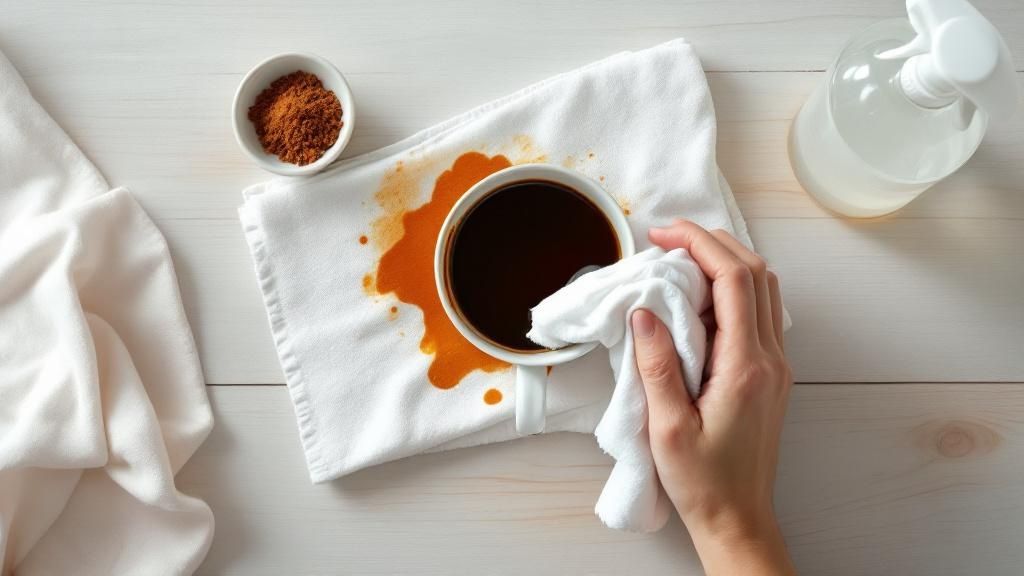
Delicate stains should be treated without aggressive rubbing, which can push stains deeper or damage fibers. Blot stains gently instead of scrubbing.
Test any stain removal product on a hidden seam first. Apply treatment sparingly and let it sit before rinsing with cool water.
Drying Delicate Pieces
Skip the dryer entirely for delicate fabrics. Air drying prevents heat damage and maintains garment shape.
Lay flat items on a clean, dry surface away from direct sunlight. Hang other pieces on padded hangers to avoid creasing or stretching.
Never wring delicate fabrics—the mechanical stress stretches fibers permanently and can tear material.
Proper Storage Prevents Deterioration
Store delicate garments in clean, dry environments away from sunlight, which fades colors over time. Avoid plastic bags, which trap moisture and encourage mildew.
Use acid-free tissue paper between folds to prevent creasing. Choose padded hangers for hanging pieces rather than thin wire hangers that leave marks.
When to Choose Professional Care
Columbia Pike Laundry handles delicate fabrics with expertise you can’t replicate at home. Our professionals understand exactly when hand washing is safe versus when professional dry cleaning is necessary.
We pick up your garments, clean them using appropriate methods, and return them folded or pressed within 48 hours. You avoid the stress of managing delicate items yourself.
Pro tip: Keep a small notebook with photos of each delicate garment and its care label instructions—this eliminates guesswork on laundry day and helps you remember which pieces need professional cleaning.
Common Mistakes and How to Avoid Damage
Most delicate fabric damage happens not from wear but from careless laundry choices. Learning what to avoid saves your favorite pieces and keeps them looking beautiful for years.
Mistake #1: Mixing Delicates with Regular Laundry
Tossing delicate fabrics in with jeans and towels causes abrasion that tears fibers and creates pilling. Regular fabrics are heavier and move violently during washing cycles.
Always sort delicate items separately before laundry day. This single step prevents most mechanical damage that ruins garments.
Mistake #2: Using Hot Water
Hot water opens fiber structures and accelerates shrinkage in natural fabrics. It also intensifies dye bleeding, especially in silks and woolens.
Cold water cleans effectively while protecting delicate fibers. Make it a non-negotiable rule: delicate fabrics never see warm or hot water.
Mistake #3: Reaching for Harsh Detergents
Standard laundry detergents are formulated for tough stains on sturdy fabrics. They contain harsh chemicals that strip natural oils from delicate fibers, leaving them brittle.
Use mild, pH-balanced detergents designed for delicate care. These clean effectively without damaging fiber structure.
Mistake #4: Ignoring Care Labels
Manufacturers test garments and provide specific care instructions for a reason. Common mistakes include neglecting to follow care labels, which leads to shrinkage, color fading, stretching, or tearing.
Read every label before washing and follow instructions exactly. When in doubt, choose the gentlest option available.
Mistake #5: Overwashing Delicate Items
Delicate garments don’t need frequent washing like everyday clothes. Each wash cycle stresses fibers, even on gentle settings.
Limit washing frequency for delicate pieces:
- Silk blouses: after 2-3 wearings
- Cashmere sweaters: once every 4-6 wearings
- Lace items: only when visibly soiled
- Wool garments: every 5-8 wearings
Mistake #6: Skipping Protective Gear
Mesh laundry bags provide crucial protection during machine washing. They prevent delicate fabrics from tangling, snagging, or stretching.
Using a mesh bag transforms an ordinary washing machine into a safer environment for delicate items—it’s the easiest damage prevention tool available.
Mistake #7: Machine Drying Delicate Fabrics
The heat and tumbling action of a dryer damages delicate fibers permanently. Cashmere felts, silk shrinks, and lace tears in the dryer.
Air drying takes longer but preserves garment integrity. Lay flat or hang on padded hangers away from direct sunlight.
Below is a quick reference for common delicate fabric mistakes and the correct alternative:
| Common Mistake | Typical Result | Recommended Solution |
|---|---|---|
| Mixing with regular loads | Excessive pilling, tears | Always sort delicates separately |
| Using hot water | Rapid shrinking, fading | Wash only in cold water |
| Skipping mesh bags | Tangling, stretching | Use bags in machine cycles |
| Ignoring care labels | Permanent damage | Read and follow every label |
| Machine drying | Loss of shape and softness | Air dry or lay flat always |
When Professional Care Prevents Mistakes
Arlington parents juggling work, kids, and household tasks often rush laundry. Columbia Pike Laundry eliminates mistakes by handling delicate fabrics professionally. Our staff knows exactly which pieces need gentle machine washing versus professional dry cleaning.
Schedule pickup and delivery, and we manage the details. You receive garments back clean, properly dried, and ready to wear without guesswork.
Pro tip: When in doubt about a garment, photograph the care label and text it to yourself—this creates a searchable record that prevents mistakes when laundry day arrives.
Protect Your Delicate Fabrics with Expert Care from Columbia Pike Laundry
Delicate fabrics demand special attention because even small mistakes in washing or drying can cause permanent damage like shrinking, snagging, or fading. If you want to avoid the frustration of ruined silk, cashmere, lace, or chiffon, trust professionals who understand these unique care needs. At Columbia Pike Laundry, we combine deep Fabric Care Expertise with personalized service to give your most fragile garments the gentle handling they deserve.
Stop worrying about water spots, felting, or fiber weakening from home washing. Our family-owned Arlington business cleans all delicate items in-house using safe methods tailored to each fabric’s chemistry. With easy scheduling through our online platform and convenient pickup and delivery, you can reclaim your time while ensuring your wardrobe stays beautiful longer. Explore how our Dry Cleaning services protect your investment today.
Experience laundry without compromise at Columbia Pike Laundry. Schedule your delicate fabric cleaning now and see why local families trust us to preserve their favorite pieces.
Frequently Asked Questions
What are delicate fabrics?
Delicate fabrics are lightweight and flexible materials that require special care during cleaning due to their susceptibility to damage. Common examples include silk, lace, chiffon, and cashmere.
Why is it important to understand the care requirements for delicate fabrics?
Understanding the care requirements for delicate fabrics helps prevent damage such as tearing, shrinking, or fading, ensuring that your garments maintain their beauty and longevity.
Can I safely wash delicate fabrics at home?
While some delicate fabrics can be washed at home, many require professional care to ensure they are cleaned without damage. Items like silk blouses and embroidered garments often benefit from professional handling.
What are the common mistakes people make when caring for delicate fabrics?
Common mistakes include mixing delicate fabrics with regular laundry, using hot water, neglecting care labels, and machine drying delicate items. These mistakes can lead to irreversible damage.
Recommended
Free pickup, expert care, delivered back to your door.
Popular Blog Articles




Meet the Author
Daniel Logan didn’t start CPL because he loved laundry. He started it because his family was drowning in time debt, and laundry was one of the biggest weights.
Mornings were chaos with two kids under 5. Evenings felt like catch-up. And weekends? Gone to sorting socks and folding piles.
He knew his story wasn’t unique. So he built a business that gave families like his just a little bit of breathing room one load at a time.
With no laundry experience but deep tech skills, Daniel rolled up his sleeves, doing every job himself while building systems that turned it into a modern laundry service that saves customers time, simplifies their lives, and delivers reliability they can count on.
That’s where CPL began. Not from a playbook, but from pain. From one dad trying to buy back time: for himself, and for every household like his.
Free pickup, expert care, delivered back to your door.